



Quick answer
A bulky uterus simply means the uterus is enlarged, usually around nine to twelve centimetres long instead of the typical seven to eight. It is not a disease in itself, but can point to fibroids, adenomyosis or hormonal imbalance. Many women have no symptoms, and in many cases fertility is not affected at all.
Key Takeaways
- A bulky uterus is a condition in which the uterus becomes enlarged due to fibroids or hormonal imbalances.
- A bulky uterus is fairly common, and in most cases, it is not a serious condition.
- Some of the symptoms of a bulky uterus are heavy periods, pelvic pain, and bloating.
- A healthy lifestyle, regular exercise, and good nutrition support your overall health; treatment depends on the underlying cause.
If you have been recently diagnosed with a bulky uterus, you must be stressed. Despite being a common condition, many women don't know what a bulky uterus is. But don’t worry, we are here to help you out.
This blog will answer all your questions — why the uterus becomes bulky, what happens when the uterus is bulky, and how to treat a bulky uterus. We will also tell you how you can manage a bulky uterus with the right diet, lifestyle, and supplements for women.
What Is a Bulky Uterus?
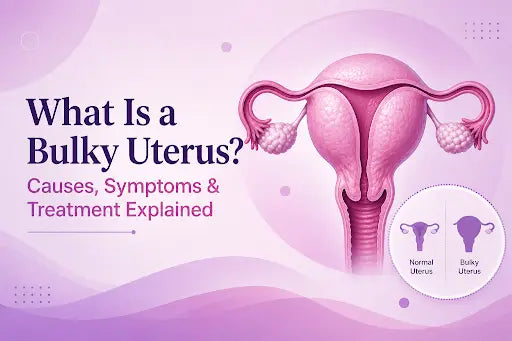
A bulky uterus is a condition in which the uterus becomes enlarged due to hormonal imbalances or other medical causes.
It is not a disease on its own, but it can indicate an underlying issue such as fibroids, adenomyosis, or a hormonal imbalance.
Some women don't have any bulky uterus symptoms at all, while others may feel pain or notice changes in their periods.
What Size Is Considered a Bulky Uterus?
A normal uterus (in non-pregnant women) is around 7-8 cm in length and 4-5 cm wide.
A bulky uterus typically ranges between 9 and 12 cm in length and can sometimes be even larger.

Common Causes of a Bulky Uterus You Should Know
Here are the common reasons for a bulky uterus in women:
- Uterine Fibroids
- Adenomyosis
- Hormonal Imbalance
- Endometrial Conditions
The uterus naturally enlarges during pregnancy, which is normal. But a bulky uterus can be a symptom of one of these underlying issues. This is why it is important to diagnose and treat a bulky uterus.
Signs and Symptoms of a Bulky Uterus
You need to look out for these bulky uterus symptoms for early diagnosis of any underlying condition:
- Heavy periods
- Periods lasting more than 7 days
- Pelvic pain or pressure
- Bloating or a feeling of fullness in the lower abdomen
- Frequent urination
- Lower back pain
Note: Not everyone experiences signs or symptoms of a bulky uterus. Getting regular health check-ups is the best way to diagnose any underlying conditions.
Irregular periods and pain can also be signs of PCOS. You can get PCOS supplements, menopause supplements, and other energy supplements from Dame Health.
How Is a Bulky Uterus Diagnosed?
Since there are often very few noticeable symptoms, a bulky uterus is generally diagnosed during a routine pelvic check-up.
Your doctor may suggest a few simple tests to help you better understand the causes of a bulky uterus:
- Ultrasound: This is the most commonly used test. It uses sound waves to create images of the uterus and assess its size and shape.
- Blood tests: Your doctor may order blood tests to check hormone levels and rule out other underlying issues.
Can a Bulky Uterus Affect Fertility and Pregnancy?
Many women worry about whether a bulky uterus is good or bad, and what happens if the uterus becomes enlarged.
It is normal to feel concerned about pregnancy when you learn that your uterus is enlarged, but the reality is less alarming than it may seem.
In many cases, a bulky uterus does not affect fertility at all. Many women with this condition can conceive naturally and have healthy pregnancies. The most important thing is to find out what is causing the enlarged uterus.
For instance, if the enlarged uterus is caused by fibroids or adenomyosis, it may make conception more difficult by altering the shape of the uterus or interfering with implantation. In these situations, it might take longer to get pregnant, or your doctor might suggest treatment before you try to get pregnant.
If you are planning a pregnancy, it is recommended to start taking fertility supplements for women, such as prenatal supplements and vitamins. Your partner should also start taking fertility supplements for men at least 2-3 months before planning conception.
Lifestyle and Care Tips for Managing a Bulky Uterus
If you have been recently diagnosed with a bulky uterus, you can make a few changes in your lifestyle to manage the symptoms:
1. Eat a balanced diet that is full of nutrients.
Your hormones are affected a lot by what you eat. Add:
- Foods high in iron (especially if you have heavy periods)
- Whole grains, fruits, and leafy greens
- Healthy fats such as nuts and seeds.
This supports overall reproductive health and may help manage symptoms associated with a bulky uterus.
2. Keep your weight in check
One of the main reasons for an enlarged uterus is hormonal imbalance. Keeping a healthy weight can help balance hormones and lower estrogen levels, which may help keep the uterus from getting bigger.
3. Work out regularly
Light to moderate exercise, such as walking, yoga, or stretching, can:
- Make blood flow better
- Ease pelvic pain
- Help keep hormones in balance
Intense workouts are not necessary; consistency is what matters most.
4. Keep Your Stress Levels in Check
Stress that lasts a long time can change hormone levels and make symptoms worse. Meditation, deep breathing, or even just taking time to relax can help.
5. Don't ignore signs
Don't ignore heavy periods, pain, or bloating. Understanding what happens when the uterus becomes enlarged helps you stay proactive about your health. Talking to a doctor early can help avoid problems.
6. Follow Your Doctor's Advice
How to treat a bulky uterus depends on what's causing it. Your doctor might suggest:
- Medications to balance hormones
- Monitoring of mild cases
- Further treatment if necessary
Avoid self-medication; always follow your doctor’s advice.
7. Use the right supplements
Supplements cannot directly cure a bulky uterus, but they can support your overall health. If you are deficient in nutrients such as iron, vitamin D, or B12, supplementing them may help improve your symptoms.
Frequently Asked Questions
Is a bulky uterus a serious condition?
A bulky uterus is not a disease, and it can be caused by multiple issues like fibroids, adenomyosis, and hormonal imbalance. If the underlying condition causing the bulky uterus is serious — such as fibroids or adenomyosis — then it can be a cause for concern.
Is a bulky uterus common in women of reproductive age?
Yes, a bulky uterus is a fairly common condition among women of reproductive age worldwide, and it is generally not life-threatening.
Can a bulky uterus go back to normal?
Yes, when the underlying problem is treated, a bulky uterus can go back to its normal size.
Can a bulky uterus carry a baby?
A bulky uterus is not a problem on its own; the underlying problem causing the bulky uterus is the real issue. If the underlying cause is not serious, women with a bulky uterus can carry a healthy pregnancy to term.
Can a bulky uterus increase the risk of miscarriage?
If the cause of your bulky uterus is fibroids or adenomyosis, then it can increase the risk of miscarriage or complications during pregnancy.
Can a bulky uterus shrink after menopause?
Yes, a bulky uterus can shrink after menopause since the estrogen and progesterone levels drop significantly.
Keep reading
Popular Searches
Prenatal Supplements | Best Sleep Supplement |Hair Supplements |Energy Supplements for Men | Multivitamins for Women | Metabolism Booster supplements |Best Plant Based Protein Powder for Men | Pregnancy Support Plus | Calcium Supplements | Best vitamins for male fertility | Antioxidant Supplements
Popular Blogs
Sleep Aid for Pregnancy Tart Cherry | Period Care Kit Essentials for Comfort Hygiene | Folate vs Folic Acid for Pregnancy | 50 Uplifting Health Fitness Quotes | Can PCOS be Cured | Cramps After Embryo Transfer | Lower Abdominal Pain in Early Pregnancy | How to Increase Sperm Count


