



Quick answer
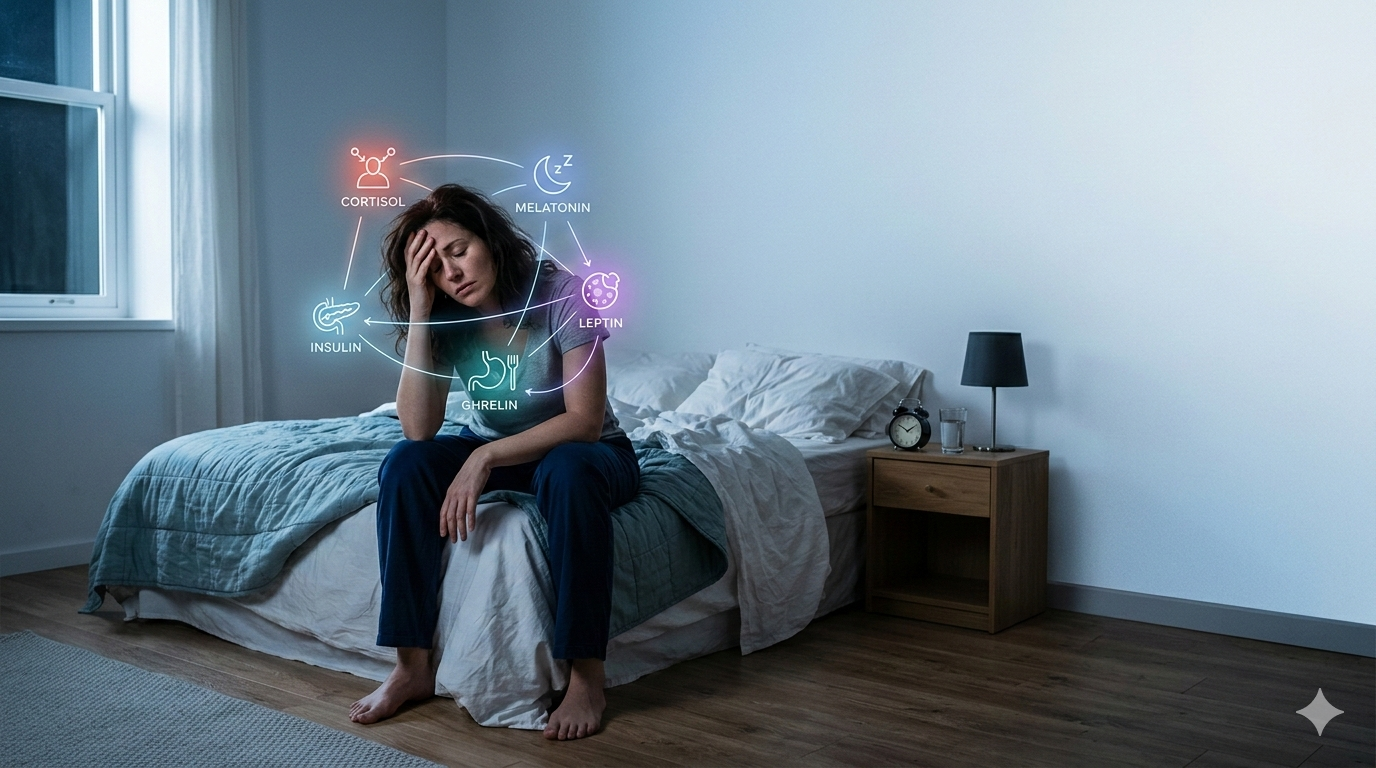
Short sleep does far more than leave you tired. It pushes cortisol up, lowers leptin and raises ghrelin so hunger and cravings increase, reduces insulin sensitivity so blood sugar climbs, and cuts the deep-sleep release of growth hormone that supports tissue repair. Reproductive hormones shift too. Adults generally need seven to nine hours nightly.
Introduction
Sleep is one of the most important biological processes for maintaining overall health. Many people today experience sleep deprivation due to busy schedules, stress, and excessive screen time. Lack of sleep occurs when a person does not get enough sleep needed for the body and mind to function properly. Adults require about 7 to 9 hours of sleep each night. In India, 61% of urban residents sleep less than the required hours.
The effects of sleep deprivation go beyond feeling tired the next day. Sleep plays an important role in regulating hormones that control metabolism, appetite, stress, and immune function. As a result, it can impact multiple body systems and increase the risk of several health conditions.
Physiology of Sleep and Hormonal Regulation
Sleep is linked to the body's internal clock, known as the circadian rhythm. This biological rhythm regulates the sleep–wake cycle and influences the release of hormones throughout the day and night. Important hormones are regulated during sleep:
From Dame Health: Dreamy Sleep Gummies — 5 mg melatonin with L-theanine and a calming herbal blend (not for use in pregnancy).
Growth Hormone
Growth hormone is released during deep sleep and supports tissue repair, muscle growth, and cell regeneration.
Cortisol
Cortisol is the body’s main stress hormone. Cortisol levels rise in the morning to promote alertness and decrease at night to allow restful sleep.
Leptin and Ghrelin
These two hormones control appetite and hunger. Proper sleep helps maintain a healthy balance between these hormones.
- Leptin signals fullness.
- Ghrelin stimulates hunger.
Insulin
Insulin regulates blood sugar levels. Sleep helps the body maintain insulin sensitivity, which allows cells to use glucose for energy.
Melatonin
Melatonin is known as the “sleep hormone.” It is released by the brain in response to darkness and helps signal the body that it is time to sleep.
Melatonin Gummies with 5 mg melatonin, L-theanine and a calming herbal blend support restful sleep (not for use in pregnancy or breastfeeding).

Effects Of Sleep Deprivation On Hormones
Increased Stress Hormones
One of the most significant sleep deprivation effects is the increase in cortisol levels. Elevated cortisol keeps the body in a prolonged state of stress. This can lead to inflammation, fatigue, and weakened immune function.
Appetite and Weight Regulation
Sleep deprivation alters appetite-regulating hormones. Lack of sleep reduces leptin levels and increases ghrelin levels. This imbalance causes stronger hunger signals and cravings for high-calorie foods.
High Blood Sugar Levels and Insulin Resistance
Sleep deprivation can reduce insulin sensitivity, meaning the body cannot use glucose efficiently. This leads to elevated blood sugar levels and increases the risk of developing type 2 diabetes.
Reduced Growth Hormone Release
Deep sleep is essential for the release of growth hormone. The body produces less growth hormone due to sleep deprivation. As a result, tissue repair, muscle recovery, and cellular regeneration are impaired.
Reproductive Hormone Changes
Lack of sleep also influences reproductive hormones. Sleep deprivation can reduce testosterone levels in men and disrupt hormonal balance in women. These changes can affect fertility, libido, and overall reproductive health.
Effects of Sleep Deprivation On Health
Metabolic Health
Hormonal imbalance caused by sleep deprivation can lead to metabolic issues. Increased hunger, reduced insulin sensitivity, and higher cortisol levels can lead to weight gain and increase the risk of diabetes.
Cardiovascular Health
Sleep plays an important role in heart health. Poor sleep can increase blood pressure and put stress on the cardiovascular system. Long-term sleep deprivation leads to a higher risk of heart disease and stroke. Elevated cortisol and inflammation may also damage blood vessels over time.
Immune Function
During sleep, the immune system releases proteins called cytokines that help fight infection and inflammation. The body produces fewer immune cells due to lack of sleep. This makes individuals more vulnerable to infections.
Mental and Cognitive Health
Sleep deprivation affects brain function and emotional regulation. Common symptoms include irritability, difficulty concentrating, mood swings, anxiety, depression, and impaired memory. Poor sleep can reduce attention and affect productivity.
Increased Risk of Accidents
Extreme sleep deprivation can cause microsleeps, which are brief moments of sleep that occur without awareness. These episodes can be dangerous when driving or operating machinery.
Reasons for Sleep Deprivation
Understanding the reasons for sleep deprivation is important for improving sleep habits. Several factors can contribute to inadequate sleep.
Lifestyle Factors
Modern lifestyle interferes with healthy sleep patterns. Late-night work, social media, and excessive screen time can delay bedtime and affect quality sleep.
Stress and Anxiety
Psychological stress is one of the most common reasons for sleep deprivation. Depression, overthinking, and anxiety can make it difficult to fall asleep.
Sleep Disorders
Medical conditions such as insomnia, sleep apnea, and restless leg syndrome can affect sleep quality and duration.
Shift Work
People who work night shifts or rotating schedules struggle with disrupted circadian rhythms. Irregular sleep schedules can lead to chronic sleep deprivation.
Medical Conditions
Chronic pain, psychological conditions, breathing problems, hormonal disorders, and certain medications also interfere with sleep.
How to Treat Sleep Deprivation
If sleep deprivation affects your daily life, it is important to address the underlying causes. Learning how to treat sleep deprivation involves improving sleep habits and creating a supportive sleep environment.
- Maintain a Sleep Schedule: Going to bed and waking up at the same time every day helps regulate the body's internal clock.
- Improve Sleep Hygiene: Healthy sleep habits include limiting screen use before bedtime, and keeping the bedroom dark and quiet.
- Limit Stimulants: Reducing caffeine, nicotine, and alcohol intake in the evening can improve sleep quality.
- Seek Medical Advice: If sleep problems persist, consult a healthcare professional to identify underlying conditions such as insomnia or sleep apnea.
- Sleep Supplements: Supportive sleep supplements help to relax your mind, relieve muscle tension and promote deep sleep.
- Manage Stress: Relaxation techniques such as meditation, deep breathing, or gentle stretching can help calm the mind before sleep.
Sleep and stress supplements such as our magnesium supplement with tart cherry help support relaxation and sleep quality.

Conclusion
Sleep is a biological process that influences hormonal balance and long-term health. Understanding the sleep deprivation effects and recognizing the reasons for sleep deprivation are essential steps toward improving sleep health. Symptoms such as headache, fatigue, and poor concentration signal that the body needs more rest. Individuals can improve their overall well-being and mental health by adopting healthy sleep habits and learning how to recover from lack of sleep fast.
Shop related from Dame Health
Frequently Asked Questions
What are the main sleep deprivation effects on the body?
Common sleep deprivation effects include fatigue, mood swings, poor concentration, increased appetite, weight gain, weakened immunity, and higher stress levels.
Can lack of sleep cause weight gain?
Yes. Lack of sleep increases ghrelin (hunger hormone) and decreases leptin (fullness hormone), leading to increased appetite and cravings for high-calorie foods.
Can sleep deprivation increase the risk of diabetes?
Yes. Sleep deprivation reduces insulin sensitivity and disrupts glucose metabolism. Chronic lack of sleep can increase the risk of developing type 2 diabetes and other metabolic conditions.
Can lack of sleep affect mental health?
Yes. Chronic sleep deprivation can increase the risk of anxiety, depression, irritability, and poor concentration.
What is a sleep deprivation headache?
A sleep deprivation headache happens because lack of sleep increases stress hormones and changes brain chemicals. Muscle tension, dehydration, and fatigue can trigger headaches after a poor night’s sleep.
How to recover from lack of sleep fast?
If you are wondering how to recover from lack of sleep fast, try short 20–30 minute naps, hydration, exposure to natural sunlight, balanced meals, and avoiding excessive caffeine.
Keep reading
References


