



Quick answer
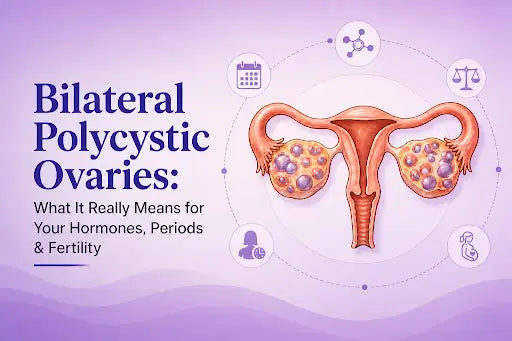
It means both ovaries show several small, fluid-filled follicles that never fully matured, picked up on an ultrasound. This is not automatically a PCOS diagnosis, as some women have the pattern without major hormonal disruption. It usually reflects disturbed signalling between brain and ovaries, higher androgens and insulin resistance, which together make regular egg release harder.
Key Takeaways
- Bilateral polycystic ovaries mean both ovaries have multiple small, immature follicles visible on an ultrasound.
- It is different from PCOS, and some women may have this ovarian pattern without noticeable symptoms or hormonal imbalance.
- Hormonal disruption, increased androgen levels, and insulin resistance can contribute to the development of polycystic ovarian patterns.
- Early signs may include irregular periods, fatigue, acne, weight gain, and excess hair growth, especially when linked with PCOS.
- Bilateral polycystic ovaries may affect ovulation, but many women can still conceive with the right lifestyle changes and medical support.
- Improving insulin sensitivity, maintaining a healthy weight, and using targeted nutritional support can help manage symptoms effectively.
You walk into the doctor’s office for a routine ultrasound, not expecting anything major. Then the report comes back with: 'Bilateral polycystic ovaries detected.'
For many women, this is where the questions begin: Are bilateral polycystic ovaries dangerous? Does it mean you can’t get pregnant? Will you live with this forever?
In reality, bilateral polycystic ovaries indicate a complex hormonal condition, but it is also manageable with the right approach.
Keep reading to know what drives it and what you can do to protect your fertility.
What Do Bilateral Polycystic Ovaries Mean?
In simple terms, bilateral polycystic ovaries mean that both ovaries have multiple small, fluid-filled follicles that have failed to fully mature.
Each follicle holds an underdeveloped egg. In a typical healthy cycle, one follicle matures and releases that egg every month. When that process does not happen completely, you end up with a buildup of stalled follicles that appear as tiny cysts on an ultrasound.
It is worth noting that a bilateral polycystic pattern of ovaries is not the same as a PCOS diagnosis. Some women show polycystic changes in the ovaries without any major hormonal disruption at all.

Key Causes Behind Bilateral Polycystic Ovaries
There is no single cause behind polycystic changes in the ovaries. It is more of a chain reaction in which several systems in your body stop functioning in sync.
In a healthy hormonal cycle, your brain and ovaries are constantly communicating. Hormones like FSH (follicle-stimulating hormone) and LH (luteinizing hormone) guide the follicles to grow and release an egg.
In women with bilateral polycystic ovaries, this communication between the brain and the reproductive organs breaks down.
At the same time, the ovaries start producing more androgens. Higher androgens make it harder for the ovaries to release eggs. So instead of one healthy follicle, several small ones build up. This is what shows up as a bilateral polycystic ovarian pattern on scans.
Insulin resistance also contributes to the issue. High insulin levels cause the ovaries to produce even more androgens. In short, hormonal imbalance in the ovaries is rarely caused by a single trigger.
This is why PCOS supplements that support insulin sensitivity, like inositol, are often recommended.
Risk Factors of Bilateral Polycystic Ovaries
Several factors increase the likelihood of developing a bilateral polycystic ovarian pattern:
|
Risk Factor |
What it means for your body. |
|---|---|
|
Chronic Inflammation |
Low-grade inflammation can increase androgen production and worsen hormonal imbalance. |
|
Lifestyle Factors |
Weight gain (especially around the waist), poor diet, and low activity levels can worsen insulin resistance and inflammation. |
|
Family History and Genetics |
If your mother or sister had PCOS, your own risk is higher. Your body may be more sensitive to hormonal shifts. |
|
Chronic Stress |
Elevated cortisol levels can disrupt the hormonal signals needed for regular ovulation. |
|
Poor Sleep Quality |
Lack of proper sleep affects insulin sensitivity and increases inflammation, both of which impact hormonal balance. |
If sleep has been off lately, exploring options like the best sleep supplement for stress and recovery by Dame Health can help improve sleep quality.
Bilateral Polycystic Ovaries Symptoms That Often Go Unnoticed at First
One of the more frustrating aspects of this condition is that the symptoms of bilateral polycystic ovaries can be subtle at first and easily dismissed as stress or diet-related. The early signs to watch include:
- Irregular or skipped periods, cycles longer than 35 days, or periods that skip a month or two are classic warning signs.
- Persistent fatigue: The kind of tiredness that sleep cannot fix. Energy supplements formulated by Dame Health can offer meaningful support.
- Acne or breakouts on the jawline or chin
- Increased facial or body hair (hirsutism) and thinning scalp hair often occur together. Hair supplements rich in nutrients like biotin and zinc may help address these symptoms.
- Weight gain around the waist, even without changes in diet or exercise, is often driven by metabolic disruption from insulin resistance.
How Bilateral Polycystic Ovaries Affect Fertility
In most cases, bilateral polycystic ovaries do not affect fertility directly, but they can disrupt ovulation, which may not occur regularly. Without ovulation, there’s no egg for fertilisation, and the uterine lining may not prepare properly for implantation.
That said, bilateral polycystic ovaries don’t mean you can’t get pregnant. Many women can conceive with lifestyle changes and medical support.
For many women, addressing insulin resistance is the first step. Even a 5–10% reduction in body weight can help restore ovulation. Nutritional support also plays an important role. Nutrients such as myo-inositol, folate, CoQ10, and vitamin D have been studied for their role in ovulation and egg quality, and you can explore fertility supplements for women with your doctor.
If you’re planning a pregnancy, starting with prenatal supplements may help support early embryo development.
Key Nutrients to Look For in Fertility Supplements for Polycystic Ovaries
When it comes to managing bilateral polycystic ovaries, the goal is clear: support ovulation, improve insulin sensitivity, and bring hormones back into balance. Your fertility supplements should have the following key nutrients:
- Inositol: This is one of the most studied options for PCOS. It improves insulin signalling, lowers androgen levels, and helps restore ovulation.
- Folate: Supports egg development and early fetal health. It’s especially important if you’re trying to conceive.
- N-Acetylcysteine (NAC): A powerful antioxidant that reduces oxidative stress and supports egg quality and ovulation.
- CoQ10: Helps improve egg quality by supporting cellular energy production, which becomes particularly important with age.
- Vitamin D: Low levels are common in PCOS and are linked to hormonal imbalance and insulin resistance.
- Zinc & Magnesium: These support hormone regulation, help mitigate stress, and improve sleep, all of which influence reproductive health.
If you’re looking for a starting point, consider targeted supplements for women that support hormonal balance. Along with proper medical guidance, they may help fill nutritional gaps while you work on PCOS-related symptoms.
Frequently Asked Questions
Can bilateral polycystic ovaries exist without noticeable symptoms?
Yes, you can have a bilateral polycystic ovarian pattern and feel completely normal, with no noticeable symptoms.
How does insulin resistance relate to polycystic ovaries?
Higher insulin levels can trigger excess androgen production. This disrupts ovulation and leads to polycystic changes in the ovaries.
Can stress worsen symptoms of bilateral polycystic ovaries?
Absolutely. Stress hormones interfere with reproductive hormones, making cycles more irregular.
Are women with bilateral polycystic ovaries at higher risk of metabolic issues?
Some are, especially if insulin resistance is present — which is why early lifestyle support matters.
Can untreated bilateral polycystic ovaries lead to other health complications?
When untreated, it can lead to irregular cycles, fertility challenges, and metabolic issues.
Keep reading
Popular Searches
Hair supplements | Fertility supplements for men | Menopause supplements | Multivitamins for Women | Metabolism Booster supplements | Best Plant Based Protein Powder for Men | Pregnancy Support Plus | Calcium Supplements | supplements to increase sperm count | Antioxidant Supplements | Women Protein Powder
Popular Blogs
Sleep Aid for Pregnancy Tart Cherry | Period Care Kit Essentials for Comfort Hygiene | Folate vs Folic Acid for Pregnancy | 50 Uplifting Health Fitness Quotes | Can PCOS be Cured | Cramps After Embryo Transfer | Lower Abdominal Pain in Early Pregnancy | How to Increase Sperm Count


