



Quick answer
Iron is needed to make haemoglobin, the protein that carries oxygen around your body, so when iron runs low you feel tired even after a full night's sleep. Other common signs in women include pale skin, breathlessness, headaches and brain fog, cold hands and feet, hair fall, brittle nails and unusual cravings.
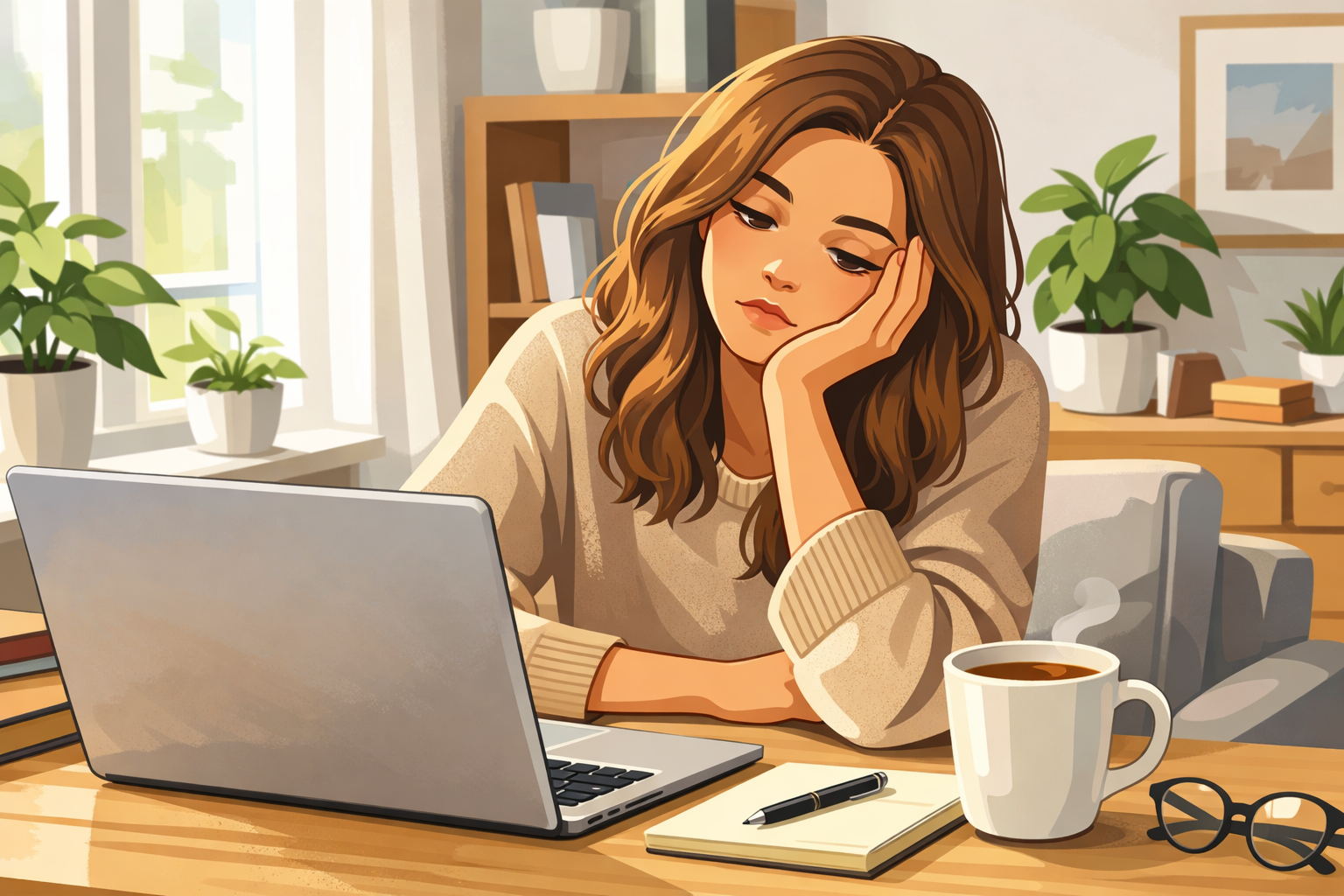
Have you ever woken up tired after a full night’s sleep? You push through your day with coffee, short breaks and try to stay active; but the fatigue doesn’t go away. You might blame your busy schedule, stress, or poor sleep. But what if your body is trying to tell you something deeper? For many women, constant tiredness isn’t just lifestyle-related; it could be a sign of iron deficiency.
Let’s break it down in a simple, relatable way so you can understand what’s happening inside your body and what you can do about it.
What Is Iron Deficiency?
Iron is an essential mineral to produce hemoglobin in the body. Hemoglobin is a protein in red blood cells that carries oxygen to every part of your body. When your iron levels are low:
- Your body produces less hemoglobin
- Oxygen supply to tissues decreases
- Your organs and muscles don’t get the energy they need
This condition leads to iron deficiency. When it becomes severe, it leads to iron deficiency anemia. That’s why tiredness is the most common symptom of iron deficiency.

Common Iron Deficiency Symptoms in Women
Iron deficiency starts with subtle signs that are easy to ignore, but worsens over time.
From Dame Health: Pre-Pregnancy Support — Quatrefolic® active folate, gentle iron and choline for the months before conception.
- Constant Fatigue: This is the most noticeable symptom. This happens because your body isn’t getting enough oxygen to function efficiently.
- Pale or Dull Skin: If your skin looks pale or lacks its natural glow, it could be due to reduced hemoglobin levels.
- Shortness of Breath: When oxygen levels are low, your body works harder, making you breathe faster and feel breathless.
- Frequent Headaches and Brain Fog: Low iron levels mean less oxygen to the brain. This can lead to headaches, difficulty concentrating and memory issues.
- Cold Hands and Feet: Poor circulation caused by low hemoglobin levels can make your hands and feet feel cold.
- Hair Fall and Weak Nails: Iron plays an important role in cell growth. When iron levels are low, hair may thin or fall out and nails become brittle or spoon-shaped.
- Unusual Cravings: Some women experience cravings for non-food items like ice, clay, chalk, etc. This condition is called pica and is linked to iron deficiency.
- Restless Legs and Poor Sleep: An uncomfortable urge to move your legs at night can disrupt your sleep, making fatigue even worse.
Protein powder for women with 24 g pea protein per serving complements a balanced diet and helps you meet your daily protein needs.

Why Women Are More Prone To Iron Deficiency?
Iron deficiency can affect anyone, but women are at higher risk due to several biological and lifestyle factors.
- Diet Choices: Women who follow vegetarian or restrictive diets do not get enough iron. The easily absorbable form of iron is found in animal foods.
- Lifestyle Stress: Busy routines, irregular eating patterns, and poor gut health can affect how your body absorbs iron.
- Menstruation: Monthly blood loss is one of the biggest reasons for low iron levels in women, if periods are heavy.
- Pregnancy: During pregnancy, your body needs extra iron to support both you and your baby. Without proper intake, iron levels can drop quickly.
Pregnancy supplements with iron and folate help you meet the higher iron needs of pregnancy and support normal hemoglobin formation.

How Is Iron Deficiency Diagnosed?
The only way to confirm iron deficiency is through a simple blood test. People with low iron levels will show these test readings:
- Low hemoglobin and hematocrit levels
- Low mean cellular volume (MCV)
- Low ferritin
- Low serum iron levels
- Low iron saturation
- High transferrin or total iron-binding capacity
Treatment Options For Iron Deficiency
Iron-Rich Diet
An iron-rich diet is the foundation of treating iron deficiency and improving energy levels. Foods like spinach, lentils, red meat, and fortified cereals help increase hemoglobin levels. To improve absorption, pair iron-rich foods with vitamin C sources like lemon, oranges, or tomatoes.
Iron Supplement Tablets
When diet alone cannot restore iron levels, doctors prescribe iron supplements to treat iron deficiency anemia. These supplements help replenish iron stores and improve energy levels.
Intravenous (IV) Iron Therapy
In cases of severe iron deficiency anemia, intravenous (IV) iron therapy is recommended for faster recovery. This method delivers iron directly into the bloodstream, ensuring immediate availability to the body. Women with absorption issues or chronic conditions benefit the most from this approach.
Treating the Root Cause of Iron Deficiency
Addressing the underlying cause is essential for long-term management of iron deficiency causes. Common reasons for low iron levels include heavy menstrual bleeding, poor diet, pregnancy, and digestive issues. Without treating these factors, iron levels drop again even after treatment.
Conclusion
Feeling constantly tired isn’t something you should ignore or normalize. In many cases, iron deficiency is the hidden reason behind low energy, brain fog, and everyday exhaustion. The good news is that once you recognize the iron deficiency symptoms early, it becomes much easier to treat.
By focusing on the right nutrition, using iron supplement tablets, and understanding the reasons for low hemoglobin, you can restore your energy levels. Small, consistent changes in diet and lifestyle can make a big difference over time. Addressing the root cause is key to preventing recurrence and maintaining long-term health.
Shop related from Dame Health
Frequently Asked Questions
What are the most common iron deficiency symptoms in women?
The most common iron deficiency symptoms in women include constant fatigue, pale skin, shortness of breath, headaches, hair fall, brittle nails, and low energy levels.
What causes iron deficiency in women?
Common iron deficiency causes include heavy menstrual bleeding, poor diet, pregnancy, and digestive issues affecting absorption.
Can iron deficiency cause extreme tiredness and weakness?
Yes, tiredness is the most common symptom of iron deficiency anemia. Low iron levels reduce oxygen supply to muscles and the brain, leading to constant tiredness and weakness.
What are the best iron-rich foods to improve hemoglobin?
Iron-rich foods like spinach, lentils, red meat, and fortified cereals help improve hemoglobin levels. Pairing these with vitamin C enhances absorption.
How long does it take to recover from iron deficiency?
Recovery from iron deficiency begins within a few weeks of treatment. Complete restoration of iron stores may take 2 to 3 months. The timeline depends on severity and treatment method.
Keep reading
References
- https://my.clevelandclinic.org/health/diseases/22824-iron-deficiency-anemia
- Auerbach M, DeLoughery TG, Tirnauer JS. Iron deficiency in adults: a review. Jama. 2025 May 27;333(20):1813-23.
- Soppi ET. Iron deficiency without anemia–a clinical challenge. Clinical case reports. 2018 Apr 17;6(6):1082.
- Pasricha SR, Tye-Din J, Muckenthaler MU, Swinkels DW. Iron deficiency. The Lancet. 2021 Jan 16;397(10270):233-48.

Disclaimer: It’s important not to self-diagnose or start supplements without proper diagnosis, as excess iron can also be harmful.


