



Quick answer
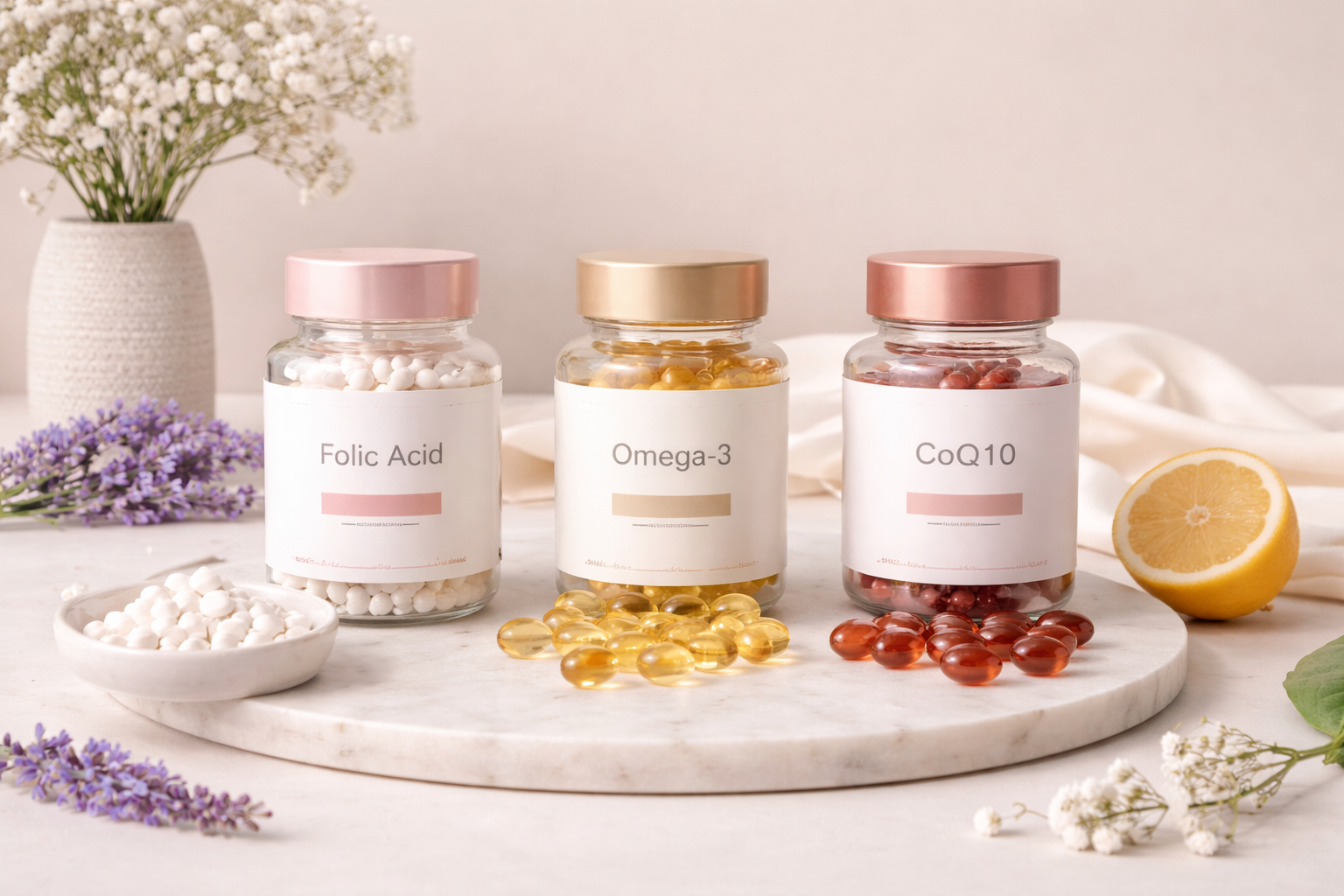
Fertility depends on hormones, lifestyle and nutrition together, and shortfalls in key micronutrients can affect ovulation, egg quality and implantation. The nutrients most often discussed for reproductive health are folic acid, vitamin D, vitamin B12, iron, omega-3 fats, CoQ10, vitamins C and E, zinc and selenium. Testing and medical guidance should come before anything else.
Introduction
Fertility is influenced by multiple factors, including hormones, lifestyle, and nutrition. The right nutrients and supplements can help support your chances of conceiving. Today, more women are turning to fertility vitamins and supplements to support reproductive health. From improving egg quality to regulating ovulation, the right combination of nutrients can make a difference.
If you have been searching for vitamins to support pregnancy or wondering which supplements work for women trying to conceive, this article simplifies everything with clear, science-backed, and practical insights.
Why Vitamins Matter for Fertility?
Your body requires a steady supply of micronutrients to maintain hormonal balance and reproductive function. Deficiencies in vitamins and minerals can impact ovulation, affect egg quality, and reduce implantation success.
From Dame Health: Pre-Pregnancy Support — Quatrefolic® active folate, gentle iron and choline for the months before conception.
Nutrient-rich supplements and vitamins help create an optimal internal environment for conception. Starting the right fertility supplements for women early can help prepare the body for a healthier conception journey.
How Supplements Support Female Fertility?
Fertility supplements work in multiple ways and support healthy conception:
- Regulating hormones: Nutrients like vitamin D and B vitamins help maintain hormonal balance essential for ovulation.
- Improving egg quality: Antioxidants and CoQ10 support cellular health and mitochondrial function.
- Enhancing ovulation: Iron and folate are linked to healthy and regular menstrual cycles.
- Correcting deficiencies: Many women lack essential nutrients that can impact fertility.
Scientific research has shown that targeted supplementation can improve reproductive outcomes in women with deficiencies or underlying conditions.

Essential Vitamins to Boost Fertility
Listed below are the most effective and widely recommended vitamins for female fertility:
Folic Acid: The Foundation Nutrient
Folic acid (vitamin B9) is essential for DNA synthesis, cell division, and early foetal development. It also plays a role in improving ovulation and reducing the risk of birth defects. Starting folic acid at least 3 months before conception is recommended.
- Recommended intake: 400 mcg daily (higher doses only on a doctor's advice).
- Supports healthy egg development.
Vitamin D: The Hormone Regulator
Vitamin D acts more like a hormone than a vitamin. It plays a critical role in ovarian function and reproductive hormone balance. Supplementation can be helpful if you have limited sun exposure or a diagnosed deficiency.
Low vitamin D levels have been linked to:
- Irregular menstrual cycles.
- Reduced fertility.
- Poor IVF outcomes.
Vitamin B12: For Ovulation and Egg Health
Vitamin B12 works with folic acid to support red blood cell production and DNA synthesis. Women following vegetarian or vegan diets are more likely to be deficient and benefit from supplementation.
Vitamin B12 is important for:
- Improving egg quality.
- Supporting implantation.
- Addressing anaemia-related fertility issues.
Prenatal supplements help boost energy levels, provide essential nutrients for healthy foetal development, and support maternal health.

Iron: The Ovulation Supporter
Iron deficiency is one of the most common nutritional issues among women, and it can directly impact fertility. Including iron-rich foods along with supplements is essential.
Adequate iron levels:
- Support regular ovulation.
- Improve oxygen supply to reproductive organs.
- Reduce the risk of ovulatory infertility.
Omega-3 Fatty Acids: Hormonal Balance Boosters
Omega-3 fatty acids, particularly DHA, are essential fats that support hormone production and help reduce inflammation. They also support overall reproductive and fetal health.
They are associated with:
- Improved egg quality.
- Better uterine blood flow.
- Enhanced embryo implantation.
Coenzyme Q10 (CoQ10): The Egg Quality Enhancer
CoQ10 has gained popularity as one of the best supplements for fertility — particularly for women over 30. As egg quality naturally declines with age, CoQ10 can provide targeted support.
It works by:
- Boosting mitochondrial energy production in eggs.
- Reducing oxidative stress.
- Improving egg quality and maturation.
CoQ10 supplements help reduce oxidative stress in reproductive cells, support egg and sperm health, and may promote a healthier pregnancy.

Antioxidants: Vitamins C and E
Oxidative stress can damage eggs and impact fertility. Antioxidants help neutralize free radicals and protect reproductive cells. These are included in fertility pills for women for their protective role.
Benefits include:
- Improved egg health.
- Better reproductive environment.
- Reduced inflammation.
Zinc and Selenium: Essential Trace Minerals
Even though they are needed in small amounts, deficiencies can affect reproductive health.
These trace minerals are important for:
- Hormone production.
- Egg maturation.
- Thyroid function.
Safety and Precautions
While supplements and vitamins to boost fertility are beneficial, they are not risk-free.
- Avoid self-prescribing high doses of fertility supplements.
- Don’t combine multiple supplements without guidance.
- Always consult a healthcare provider before starting fertility supplements for women.
- Be cautious if you have underlying conditions like thyroid disorders or PCOS.
Lifestyle Factors That Enhance Fertility
Supplements work best when combined with healthy lifestyle habits. These factors amplify the effectiveness of vitamins to boost fertility.
- Balanced diet: Include leafy greens, fruits, nuts, and whole grains.
- Healthy weight: Both underweight and overweight can affect fertility.
- Stress management: Chronic stress can disrupt hormones.
- Quality sleep: Essential for hormonal regulation.
- Avoid smoking and alcohol: Both negatively impact fertility.
Conclusion
When it comes to improving your chances of conception, the right fertility vitamins and supplements can make a difference. From folic acid before pregnancy to antioxidants and omega-3s, these vitamins to boost fertility may help support egg quality and prepare your body for a healthy pregnancy. The most effective approach is to combine the right fertility supplements with a balanced diet, healthy lifestyle, and medical guidance. Start early, choose wisely, and give your body the nourishment it needs to support your fertility journey.
Shop related from Dame Health
Frequently Asked Questions
What are the best vitamins to get pregnant?
The best vitamins to get pregnant include folic acid, vitamin D, iron, and omega-3 fatty acids. These nutrients help support hormone balance, ovulation, and overall reproductive health.
Which are the best supplements for women trying to conceive?
The best supplements for women trying to conceive include folic acid, CoQ10, vitamin B12, and zinc. These fertility supplements help improve egg quality and support healthy ovulation.
Do fertility vitamins really help improve chances of pregnancy?
Fertility vitamins may help, especially by correcting nutritional deficiencies and supporting egg health when combined with a healthy lifestyle. They cannot guarantee pregnancy.
What is the role of folic acid before pregnancy?
Folic acid before pregnancy is essential for preventing neural tube defects and supporting early fetal development. It is one of the most important vitamins for female fertility health.
Which supplement is best for improving egg quality?
CoQ10 and omega-3 fatty acids are recommended for improving egg quality due to their antioxidant properties and role in cellular energy production.
Are fertility pills for women safe to use?
Most fertility supplements for women are safe when taken under medical supervision. It is important to avoid self-prescribing and to follow recommended dosages.
How long should I take fertility supplements before trying to conceive?
It is recommended to take fertility supplements for at least 2 to 3 months before trying to conceive, to allow your body to build optimal nutrient levels.
Keep reading
References


