



Quick answer
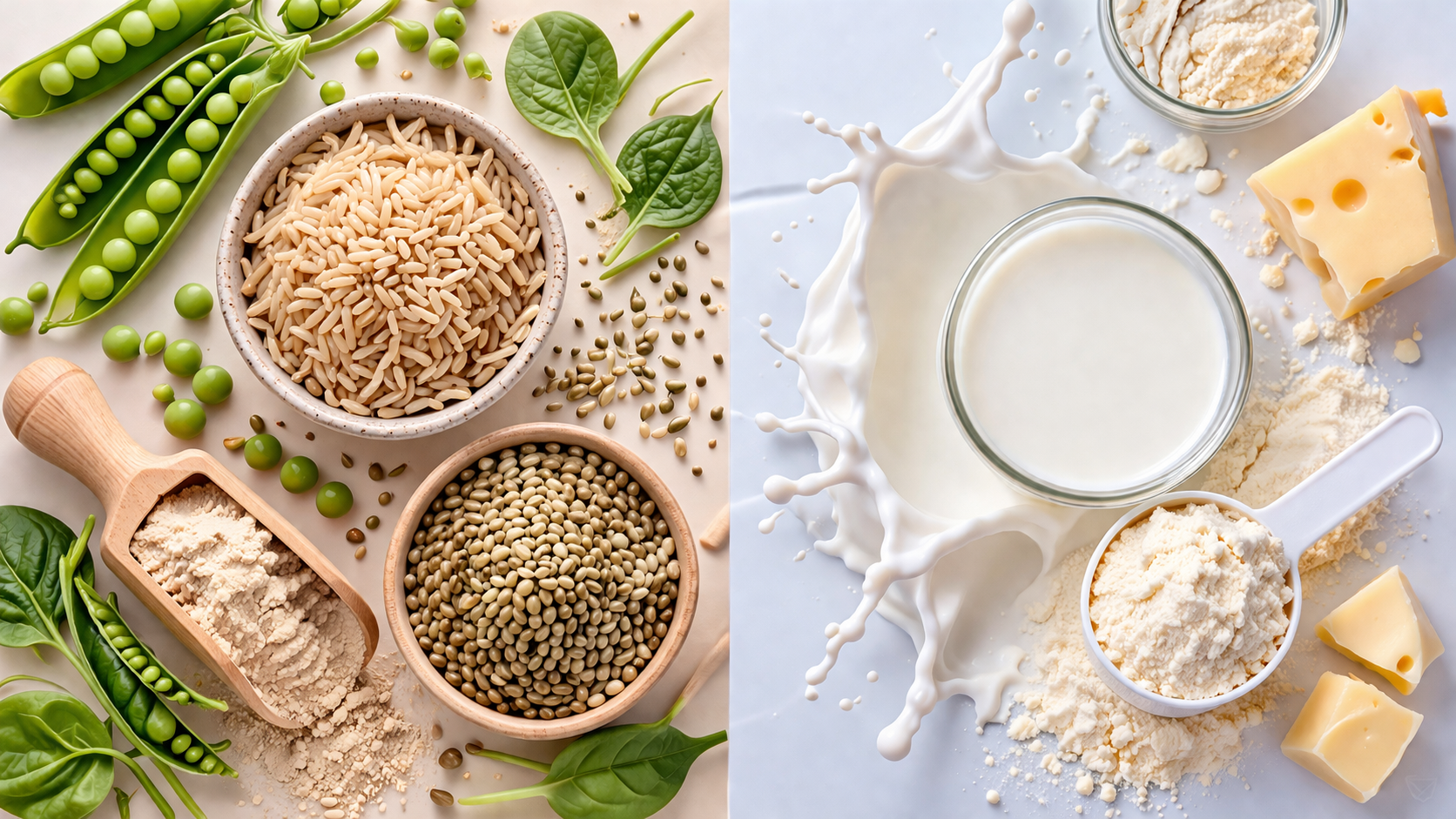
Neither is automatically better; it depends on your diet, digestion and goals. Whey comes from milk, contains all nine essential amino acids and suits strength training and recovery, but it is not vegan. Plant proteins come from peas, rice, soy, hemp and seeds, bring fibre with them, and are usually blended to complete the amino acid profile.
Introduction
More women are turning to protein powder for weight management, muscle toning, hormonal balance, and overall wellness. But with so many options available, one question keeps coming up: whey protein vs plant protein: which is better for women?
Your lifestyle, dietary preferences, fitness goals, and digestion play a role in choosing the right protein. In this article, we break down everything you need to know. From what whey protein is to the difference between plant protein and whey protein, so you can make an informed choice.
What is Whey Protein?
Whey protein is a high-quality protein derived from milk during the cheese-making process. It is the liquid portion of milk that separates during curdling, which is then processed into powder form. It’s considered a “complete protein,” as it contains all nine essential amino acids, making it effective for muscle repair and recovery.
From Dame Health: Plant Protein for Women — 24 g pea protein per serving with a digestive blend, sweetened with monk fruit.
Whey protein comes in three main types:
- Whey Concentrate: Contains some fats and carbohydrates along with protein.
- Whey Isolate: A more refined form with a higher protein content and minimal fat or lactose.
- Whey Hydrolysate: A pre-digested form of whey designed for faster absorption.
Note: Since it’s derived from milk, it’s not suitable for vegans.
Benefits of Whey Protein for Women
Whey protein is particularly beneficial for women focused on strength training, toning, or high-intensity workouts.
- Supports Lean Muscle Growth: Whey protein helps build lean muscle, boosts metabolism and improves body composition.
- Aids in Weight Management: High protein intake increases satiety, reducing unnecessary snacking.
- Fast Recovery: Its rapid absorption makes it ideal after workouts for quicker muscle repair.
- Convenient Nutrition: It is an easy way to meet daily protein needs for women with busy lifestyles.

What Is Plant Protein?
Plant protein is derived from plant sources like peas, brown rice, soy, hemp, and seeds. These proteins are derived from natural sources and are suitable for vegans. Plant proteins can be well-suited substitutes for animal-based proteins.
Some plant proteins (like soy) are complete proteins, but many are incomplete on their own. That’s why most high-quality plant protein powders use blends (like pea + rice) to provide a complete amino acid profile.
The natural fibre content of plant protein supports digestive health and helps prolong feelings of fullness. It is also cholesterol-free and lower in saturated fats, which can support heart health. With the rise of clean eating and sustainable nutrition, plant protein has become a popular alternative, particularly among women with dietary sensitivities.
Benefits of Plant Protein Powder for Women
Plant-based protein powders are gaining popularity for good reason — they strike a balance between nutrition and gut health.
- Hormone-Friendly: Plant protein is free from dairy-derived hormones, which may make it a preferred choice for women with hormonal concerns like PCOS or acne.
- Easy on Digestion: Being lactose-free means less bloating, gas, or discomfort for those sensitive to dairy.
- Rich in Nutrients: Plant proteins contain fibre, vitamins, and antioxidants that support overall health.
- Vegan and Sustainable: Perfect for those following a plant-based lifestyle or looking to reduce environmental impact.
Dame Health's plant protein powder gives you 24 g of pea protein per serving with a digestive blend, and is sweetened with monk fruit.

Plant Protein Vs Whey Protein: Key Differences
|
Feature |
Plant Protein |
Whey Protein |
|---|---|---|
|
Source |
Plants (pea, rice, hemp, etc.) |
Milk (cheese by-product) |
|
Amino Acid Profile |
Incomplete (unless blended) |
Complete protein |
|
Digestibility |
Gut-friendly |
Can cause issues for lactose-sensitive individuals |
|
Absorption Speed |
Slower |
Faster |
|
Diet Preference |
Vegan, vegetarian, dairy-free |
Not suitable for vegans or dairy-free diets |
|
Taste & Texture |
Earthy taste and gritty texture |
Creamier and milk-derived |
|
Common Uses |
All-day nutrition, smoothies |
Post-workout shakes |
|
Environmental Impact |
Lower |
Higher |
Which Protein Is Better for Women’s Goals?
The right choice depends on your specific needs.
- For Weight Loss: Both can work effectively, but plant protein may keep you full longer due to its fibre content.
- For Muscle Gain: Whey protein may be more effective due to its complete amino acid profile and rapid absorption.
- For Hormonal Balance: Plant protein is often preferred, as it is dairy-free and less likely to trigger inflammation.
- For Sensitive Digestion: Plant protein is easier on the gut and more digestible for those with lactose intolerance or dairy sensitivities.
- For a Vegan Lifestyle: Plant protein is the only suitable option.
Conclusion
Protein is an important nutrient for women’s health. Choosing between whey protein and plant-based protein doesn't have to be confusing. By understanding your body’s needs and lifestyle preferences, you can select the option that supports your fitness, digestion, and long-term wellness.
- Choose whey protein if you want fast absorption, muscle growth, and workout recovery.
- Choose plant protein if you prefer a dairy-free, gut-friendly, and hormone-conscious option.
Whether you prefer whey or plant-based protein, consistency matters more than perfection. Pair your protein with a balanced diet, regular exercise, and healthy lifestyle habits to see meaningful results.
Shop related from Dame Health
Frequently Asked Questions
What is the difference between plant protein and whey protein?
The difference between plant protein and whey protein lies in their source and composition. Whey protein is milk-derived and a complete protein, while plant protein is sourced from plants and requires blending to match the same amino acid profile.
Which is better: whey protein vs plant protein for women?
The better option depends on your fitness goals. Whey supports faster muscle recovery, while plant protein suits sensitive digestion, dairy-free and vegan diets.
Is plant protein better than whey?
Plant protein is better for those with lactose intolerance or vegan preferences, while whey protein is more effective for muscle building.
What are plant protein powder benefits?
Plant protein powder benefits include easier digestion for those sensitive to dairy, and additional nutrients like fibre and antioxidants.
Which is the best protein powder without side effects?
The most suitable protein powder without side effects depends on your individual tolerance and dietary needs. Plant protein is safer for sensitive digestion, while whey protein works well for those without lactose intolerance.
Can plant protein support muscle gain like whey protein?
Yes, plant protein can support muscle gain when it contains a blend of sources that provide a complete amino acid profile.
Keep reading
References


