



©2024, Damehealth associates private limited || All rights reserved.


USFDA Approved
Trusted by 15,000+ Customers
Free Shipping
Quick Delivery
COD Available
Doctor Founded
Clinically Proven Ingredients
Clinically backed, Expert formulated supplements
for you, Made by highest bio-availability
for you, Made by highest bio-availability
We’re Buzzing…
It’s all thanks to you!


Find Your Wellness


Our Wellness Bestsellers
Scientifically backed solutions supporting thousands every day
Type:
Plant Protein l All Natural Protein for Women
A gut-friendly plant-based protein blend made with women’s unique needs in mind, including hormonal balance, with 24g of pea protein isolate per serving (1 scoop = 33g), crafted to support women at every stage of life.
Regular price
₹1,519
Sale price
₹1,519
Regular price
₹1,599
₹80 Savings
Type:
Magnesium & Tart Cherry | Essential Multivitamin for Stress, Sleep & Muscle Health
A multivitamin with a unique blend designed to improve sleep quality, ease muscle cramps, and reduce stress—helping you wake up refreshed and feel your best every day.
Regular price
₹759
Sale price
₹759
Regular price
₹799
₹40 Savings
Type:
Dreamy Sleep Gummies
Tasty, non-addictive sleep gummies with a blend of Melatonin, L-Theanine, Vitamin B6, and Herbal extracts to support a more restful sleep and promote muscle relaxation and help you fall asleep faster, stay asleep longer, and wake up refreshed.
Regular price
₹712
Sale price
₹712
Regular price
₹749
₹37 Savings
Type:
Pregnancy Support Plus I Women's Complete Prenatal Multivitamin
Pregnancy multivitamin with 21+ ingredients to provide essential nutrition for mother & baby.
Regular price
₹1,059
Type:
Plant Protein l All Natural Protein for Men
A high-quality plant protein for men that supports strength, stamina, and overall wellness with pea protein isolate, powerful botanicals, and gut-friendly ingredients.
Regular price
₹1,519
Sale price
₹1,519
Regular price
₹1,599
₹80 Savings
Type:
Plant Protein for Women | Single Serve Sachets
A gut-friendly plant-based protein blend made with women’s unique needs in mind, including hormonal balance, with 24g of pea protein isolate per serving, crafted to support women at every stage of life.
Regular price
₹473
Sale price
₹473
Regular price
₹525
₹53 Savings
Type:
Dreamy Sleep Gummies Sachet
Tasty, non-addictive sleep gummies with a blend of Melatonin, L-Theanine, Vitamin B6, and Herbal extracts to support a more restful sleep and promote muscle relaxation and help you fall asleep faster, stay asleep longer, and wake up refreshed.
Regular price
₹249
Type:
Men's Fertility Boost I Men's Complete Care Multivitamin
An expert-backed supplement designed to improve sperm quality and motility, enhance stamina, and support overall reproductive health for optimal male fertility.
Regular price
₹1,059
DameHealth Diaries
Real voices, real transformations!
Natural support to ease anxiety, reduce stress, and improve sleep quality.
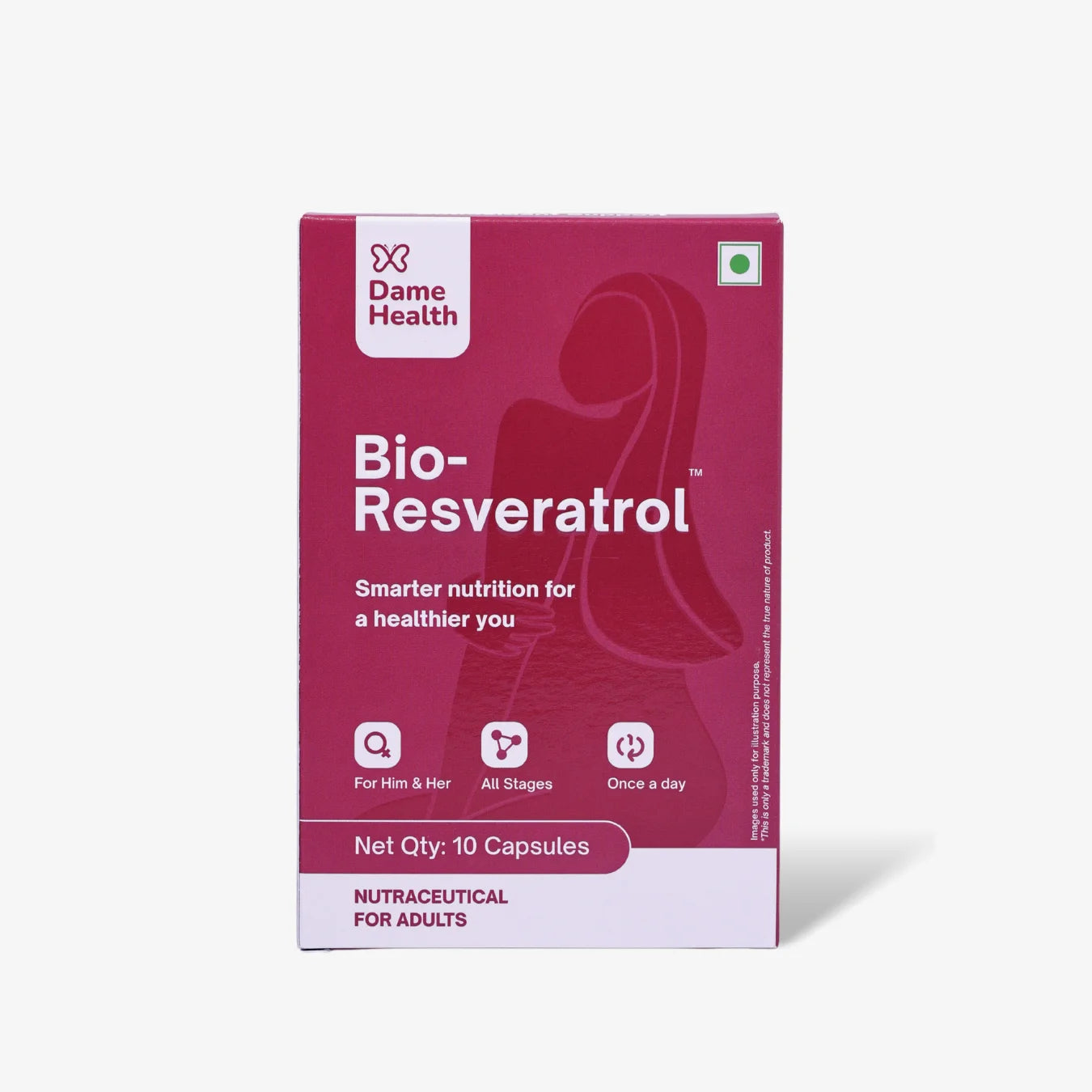
Bio-Resveratrol | Advanced Hormonal Balance & Anti-Aging Formula


Bio-Resveratrol | Advanced Hormonal Balance & Anti-Aging Formula
Regular price
₹2,505
Sale price
₹2,505
Regular price
₹2,637
₹132 Savings
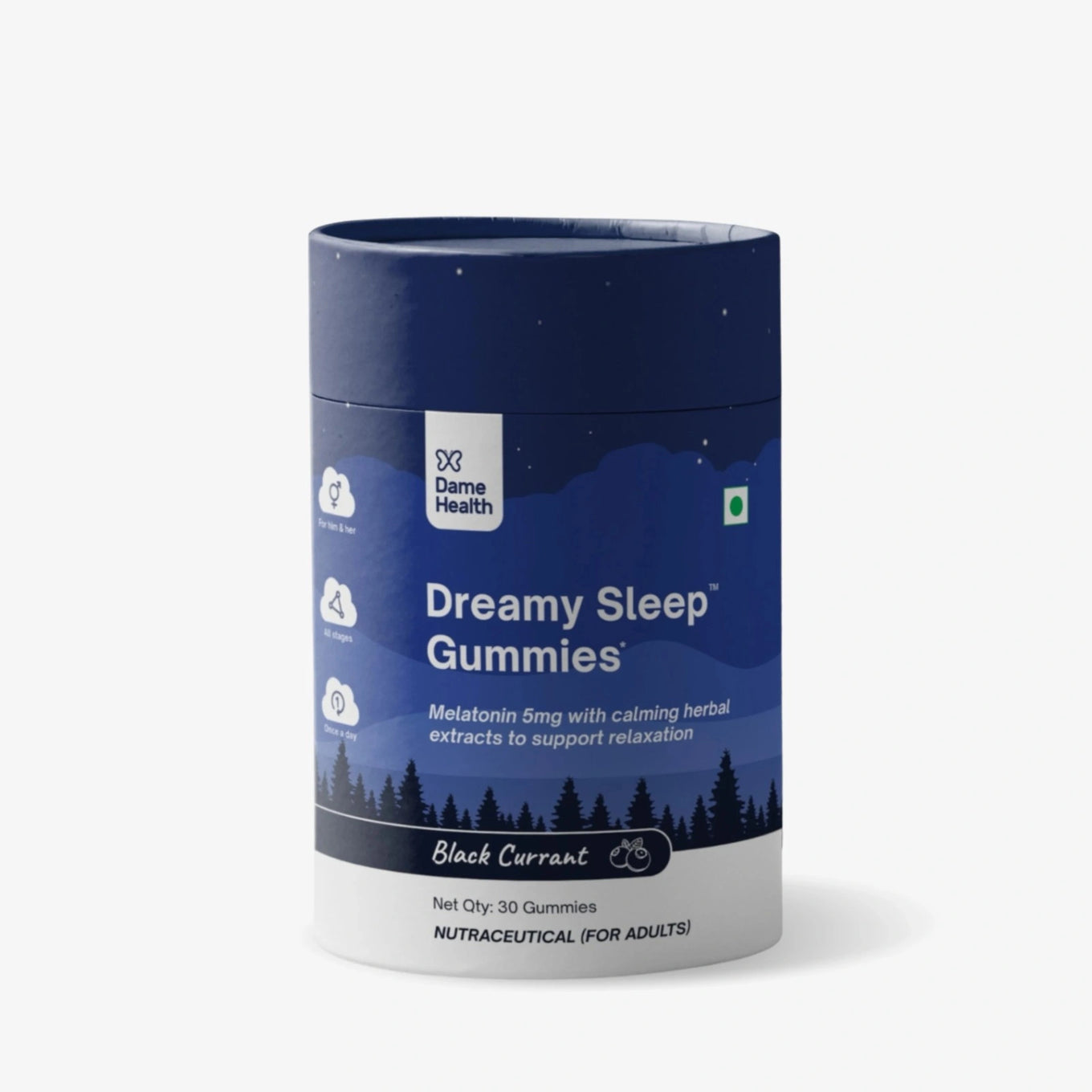
Dreamy Sleep Gummies


Dreamy Sleep Gummies
Regular price
₹712
Sale price
₹712
Regular price
₹749
₹37 Savings
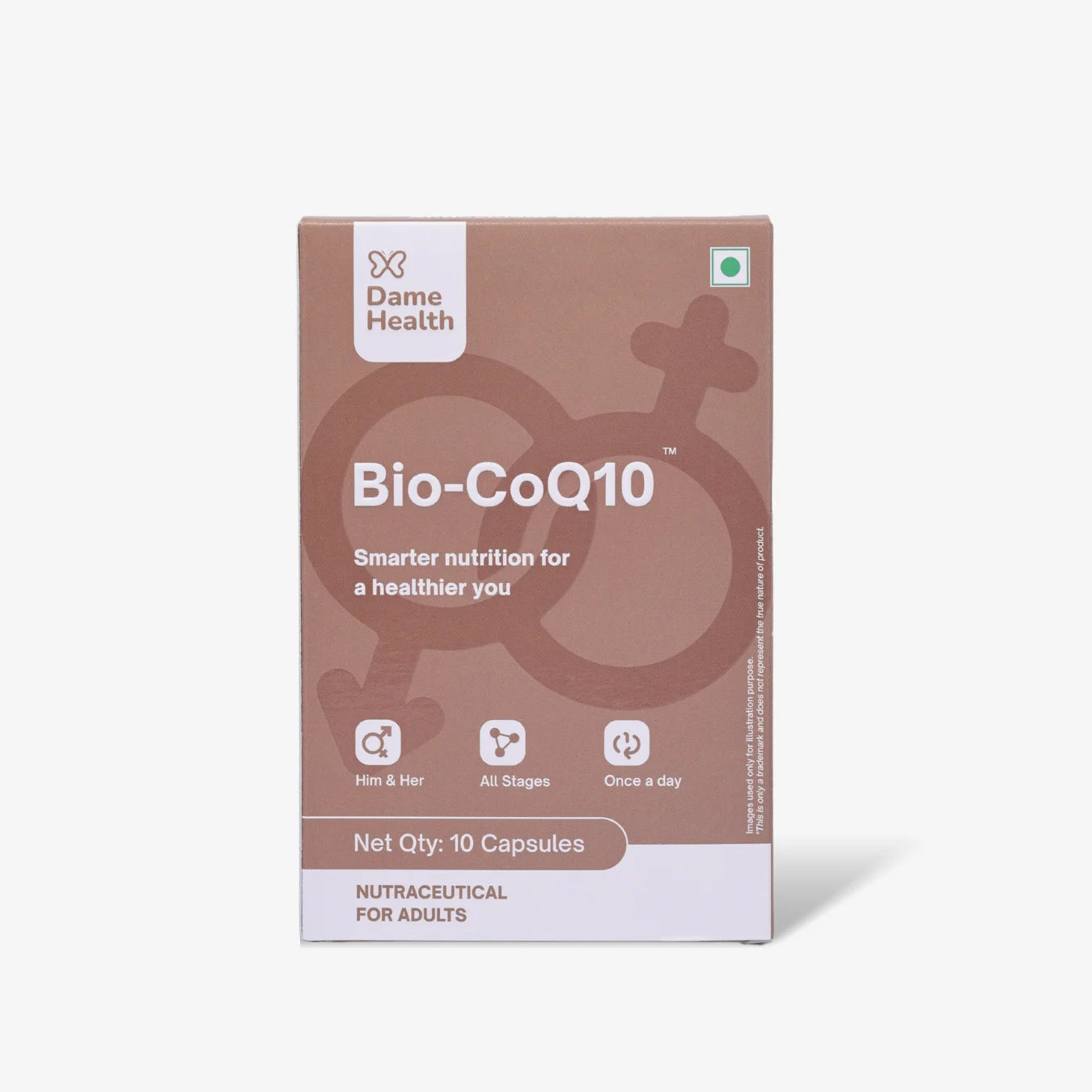
Bio-CoQ10 I Powerful Antioxidant for Men and Women


Bio-CoQ10 I Powerful Antioxidant for Men and Women
Regular price
₹2,505
Sale price
₹2,505
Regular price
₹2,637
₹132 Savings
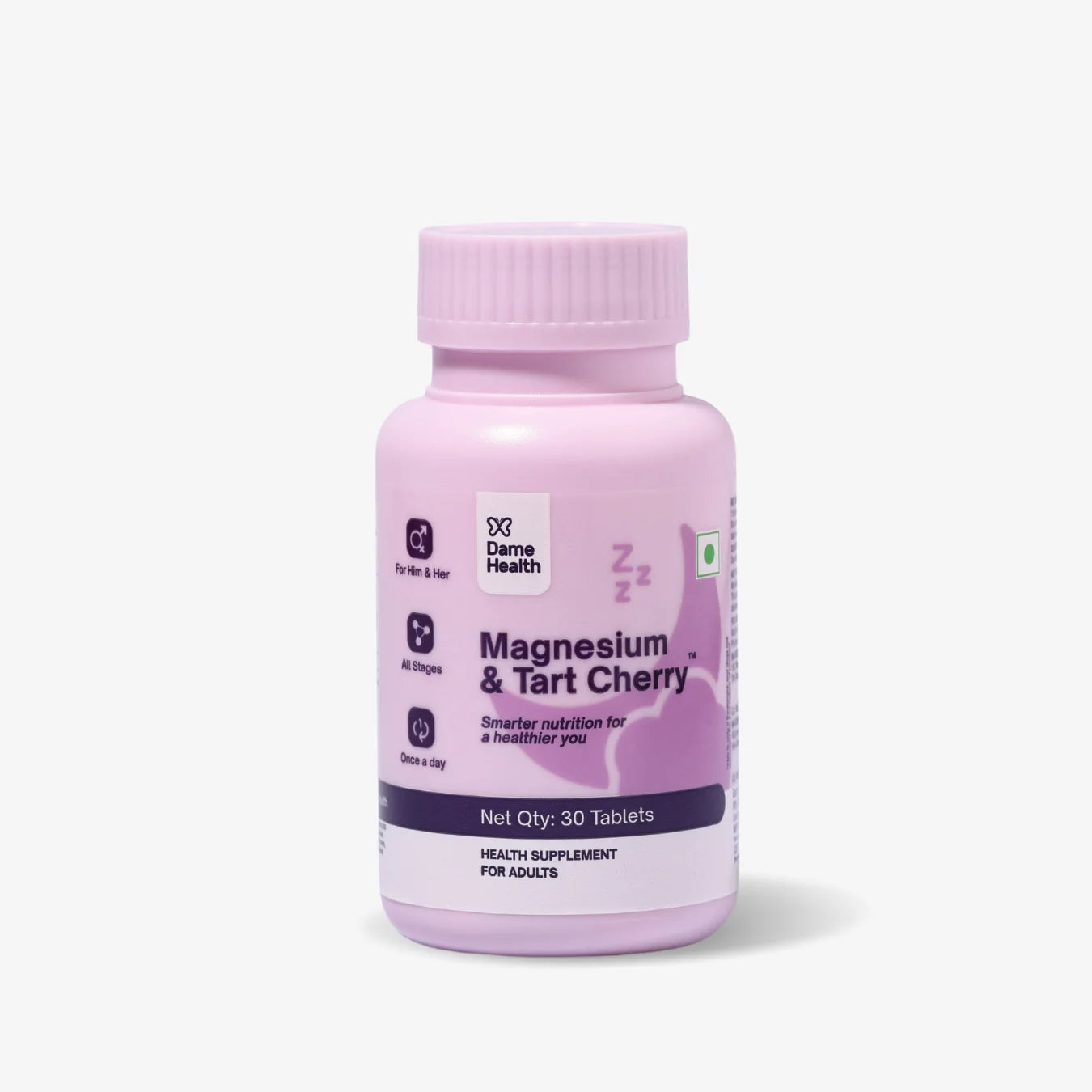
Magnesium & Tart Cherry | Essential Multivitamin for Stress, Sleep & Muscle Health


Magnesium & Tart Cherry | Essential Multivitamin for Stress, Sleep & Muscle Health
Regular price
₹759
Sale price
₹759
Regular price
₹799
₹40 Savings
Essential nutrients to boost energy, support recovery, and maintain overall wellness
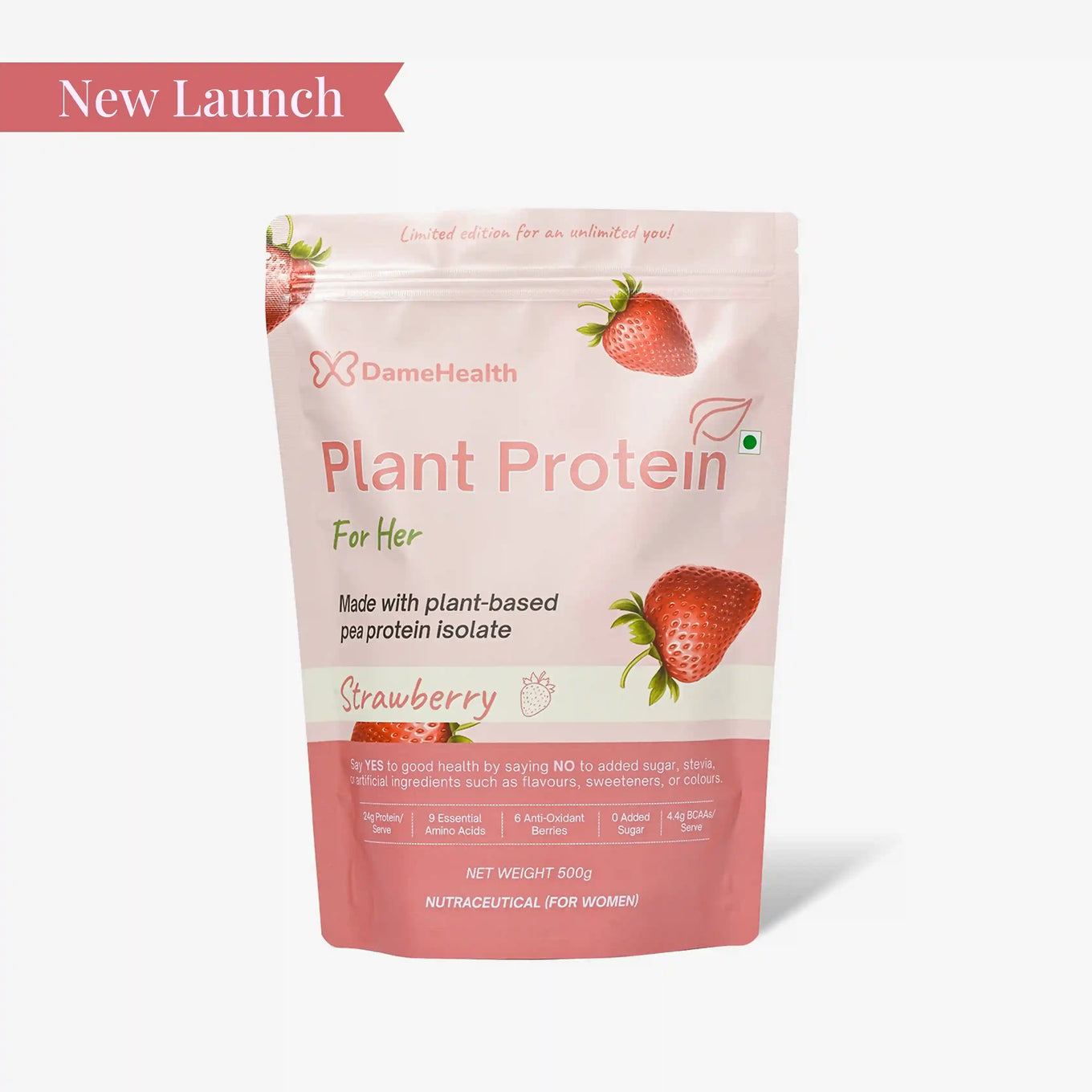
Plant Protein l All Natural Protein for Women


Plant Protein l All Natural Protein for Women
Regular price
₹1,519
Sale price
₹1,519
Regular price
₹1,599
₹80 Savings

Plant Protein l All Natural Protein for Men


Plant Protein l All Natural Protein for Men
Regular price
₹1,519
Sale price
₹1,519
Regular price
₹1,599
₹80 Savings
Bio-Resveratrol | Advanced Hormonal Balance & Anti-Aging Formula
Bio-Resveratrol | Advanced Hormonal Balance & Anti-Aging Formula
Regular price
₹2,505
Sale price
₹2,505
Regular price
₹2,637
₹132 Savings
Bio-CoQ10 I Powerful Antioxidant for Men and Women
Bio-CoQ10 I Powerful Antioxidant for Men and Women
Regular price
₹2,505
Sale price
₹2,505
Regular price
₹2,637
₹132 Savings
Essential multivitamin for women to boost fertility, energy levels, and overall immunity
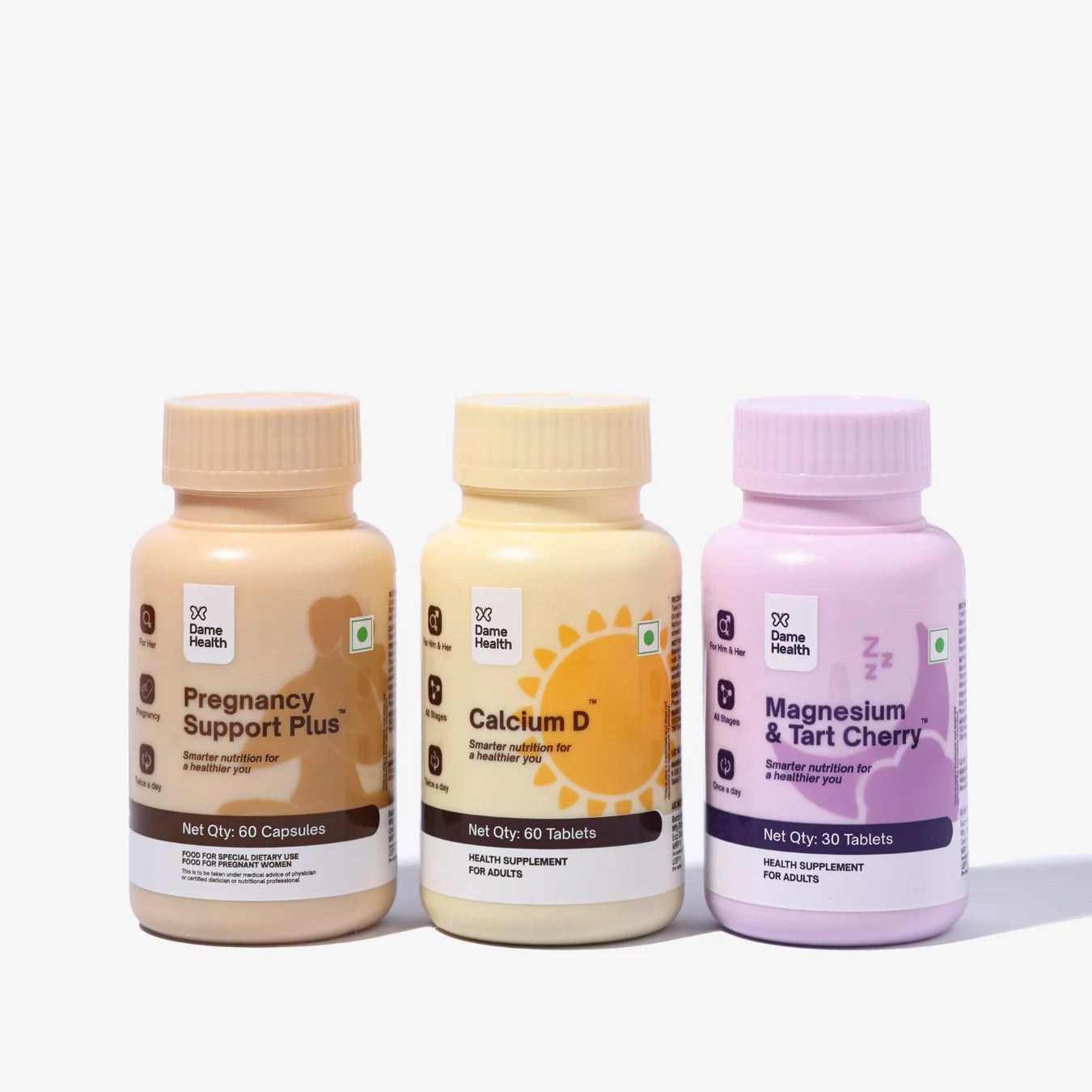
Pregnancy Care Bundle


Pregnancy Care Bundle
Regular price
₹2,292
Sale price
₹2,292
Regular price
₹2,697
₹405 Savings
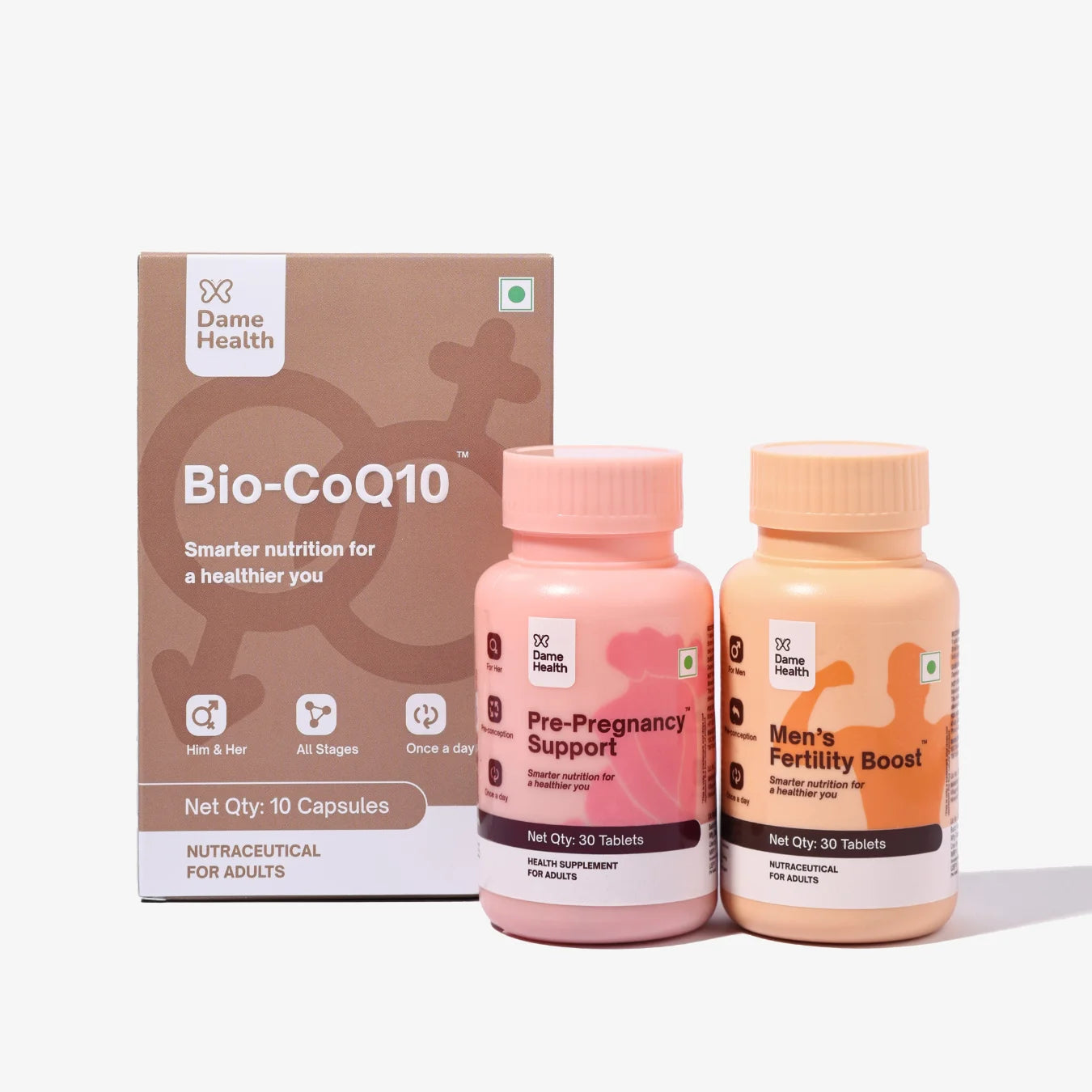
Couple Fertility Plan


Couple Fertility Plan
Regular price
₹6,062
Sale price
₹6,062
Regular price
₹7,132
₹1,070 Savings
Dreamy Sleep Gummies
Dreamy Sleep Gummies
Regular price
₹712
Sale price
₹712
Regular price
₹749
₹37 Savings
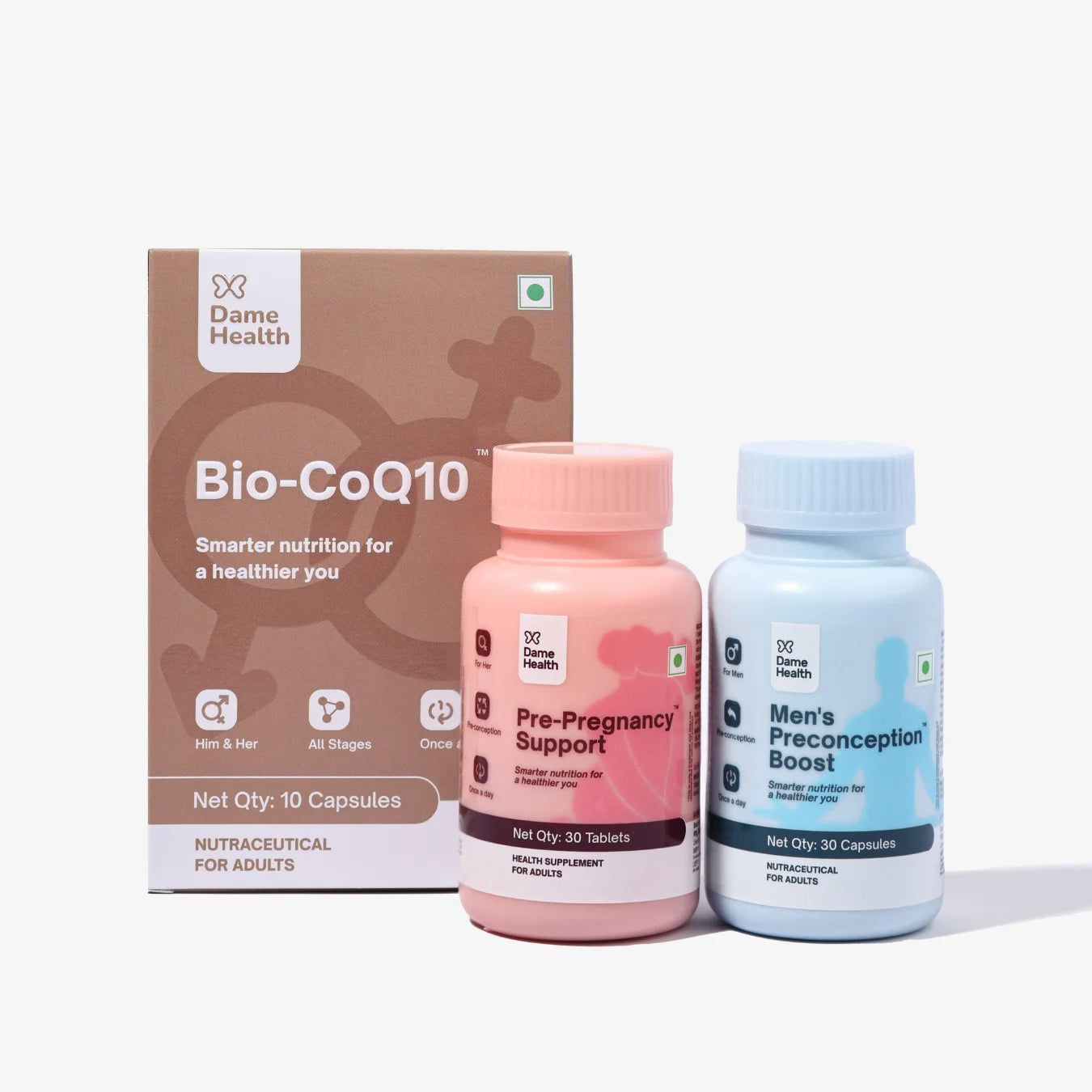
Couple Preconception Plan


Couple Preconception Plan
Regular price
₹5,799
Sale price
₹5,799
Regular price
₹6,822
₹1,023 Savings
Taking care of each other or planning to extend your family, these are here to support your journey
Couple Fertility Plan
Couple Fertility Plan
Regular price
₹6,062
Sale price
₹6,062
Regular price
₹7,132
₹1,070 Savings
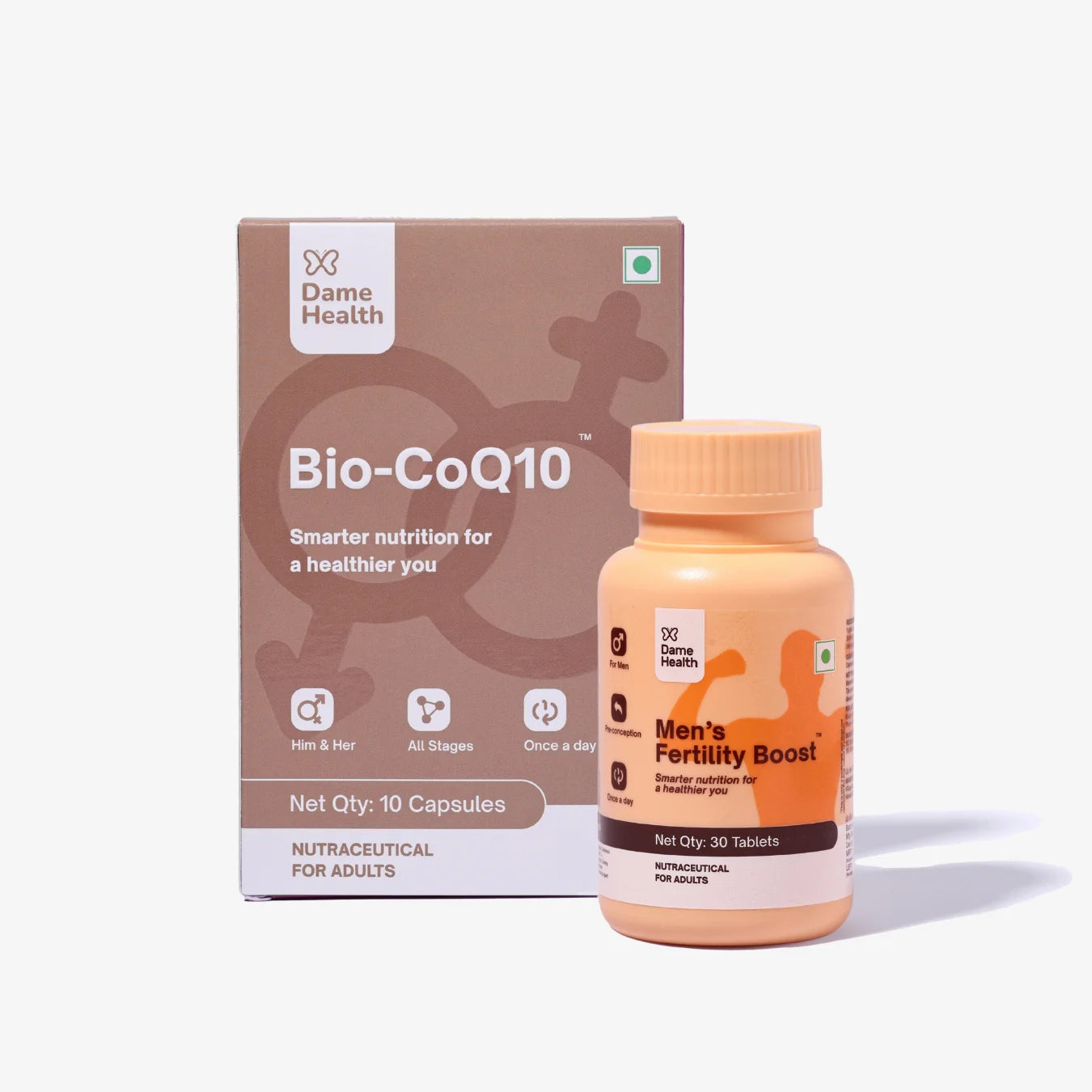
Men Fertility Plan


Men Fertility Plan
Regular price
₹3,142
Sale price
₹3,142
Regular price
₹3,696
₹554 Savings
Couple Preconception Plan
Couple Preconception Plan
Regular price
₹5,799
Sale price
₹5,799
Regular price
₹6,822
₹1,023 Savings
The Dame Standard
Redefining Excellence, The Dame Standard Way

Personalized Women's
Health Solutions
Health Solutions

Science-Backed
Treatments
Treatments

Trusted by
Leading Experts
Leading Experts

Ethical &
Transparent Care
Transparent Care

Holistic Approach
to Well-being
to Well-being
Find Your Perfect Plan
Targeted care, simplified for you.
Type:
Couple Protein Bundle
A perfectly paired protein duo crafted to meet the unique nutritional needs of both women and men. From hormone support and muscle strength to energy and recovery, this expert-formulated, plant-based blend helps bridge daily protein gaps with clean, effective nutrition.
Regular price
₹5,117
Sale price
₹5,117
Regular price
₹6,396
₹1,279 Savings
Type:
Couple Preconception Plan
Curated with the goodness of 21+ ingredients & antioxidants to boost fertility and enhance immunity for him & her while reducing risks of genetic defects.
Regular price
₹5,799
Sale price
₹5,799
Regular price
₹6,822
₹1,023 Savings
Type:
Women’s Fertility Bundle
Carefully crafted with a potent mix of essential nutrients to provide healthy nourishment for your baby’s growth & reduce risk of birth complications
Regular price
₹2,921
Sale price
₹2,921
Regular price
₹3,436
₹515 Savings
Type:
Men Fertility Plan
Curated men’s fertility bundle with 10+ essential ingredients, and antioxidants to boost sperm count, reduce sperm damage, and increase energy levels.
Regular price
₹3,142
Sale price
₹3,142
Regular price
₹3,696
₹554 Savings
The Damehealth Story
Two Generations, One Vision — Championing Women’s Health
The Damehealth Story
Two Generations, One Vision — Championing Women’s Health
What happens when a father-son duo puts their heads together? They create DameHealth, a brand that’s all about turning awkward health convos into empowering wellness solutions. With dad’s wisdom and son’s passion, they’ve built a space where women’s health gets the love, care, and (of course) humor it deserves. Because who knew family talks could lead to something this game-changing?

What happens when a father-son duo puts their heads together? They create DameHealth, a brand that’s all about turning awkward health convos into empowering wellness solutions. With dad’s wisdom and son’s passion, they’ve built a space where women’s health gets the love, care, and (of course) humor it deserves. Because who knew family talks could lead to something this game-changing?
Meet the Brains Behind the Science
They’ve Got the Degrees, We’ve Got the Feels!
USFDA Approved
Trusted by 15,000+ Customers
Free Shipping
Quick Delivery
COD Available
Doctor Founded
Clinically Proven Ingredients

Talk to Our Health Gurus
What Sets Dame Apart?
Scientifically backed solutions supporting thousands every day




ALSO AVAILABLE ON


Insights from our blog!

Male Fertility Age Chart: When Does Men's Fertility Start Declining?
Introduction Whenever fertility and age come up, the conversation is almost always directed towards women. Men also experience an age-related decline in male reproductive health, though more gradually.. A man may continue producing sperm throughout life, but sperm quality can change significantly with age.. Sperm count, motility, testosterone levels, and DNA integrity all begin to shift over time. In many couples who struggle with conception, male age and fertility can play a much bigger role than people realize. We are going to explore the male fertility age chart, talk about how sperm production age changes over time, and when male fertility starts declining. Key Takeaways Male fertility declines gradually with age, especially after 35. Sperm quality, motility, and testosterone levels reduce over time. Peak fertility is usually in the 20s and early 30s. A healthy lifestyle and fertility supplements for men can help support sperm health. In This Article Introduction Key Takeaways What is Male Fertility? Male Fertility Age Chart When Does Male Fertility Start Declining? Risk Factors and Warning Signs Linked With Men's Fertility Age Decline Lifestyle Habits That Affect Fertility in Men and Reproductive Health Tips To Improve Male Fertility and Sperm Health Naturally When To Seek Medical Help for Male Fertility Problems FAQs What is Male Fertility? Male fertility refers to a man's ability to successfully contribute to conception. It depends on the production of healthy sperm in adequate numbers. For pregnancy to happen naturally, sperm must Be produced in sufficient quantity Demonstrate strong motility Have a healthy structure and shape Carry intact genetic material Hormones, reproductive health, nutrition, stress levels, sleep quality, and lifestyle all influence male fertility. Unlike women, men do not have a strict reproductive cutoff. However, it does not mean that sperm quality remains unchanged. The impact of paternal age on conception and pregnancy success becomes evident after the mid-30s. Male Fertility Age Chart Here is a male fertility age chart that shows how fertility changes over time. Age Group Fertility Status 20-29 Peak fertility with the best sperm quality and quantity 30-34 Fertility remains strong with a mild decline beginning 35-39 Noticeable reduction in sperm motility and testosterone 40-49 Decline in sperm quality with higher DNA fragmentation 50+ Reduced fertility and lower chances of natural conception When Does Male Fertility Start Declining? One of the most searched questions online is “when does your body stop producing sperm?”. The answer is more complex than you think. Men continue producing sperm throughout their lifetime, but sperm production and quality age over time. Research has shown that peak male fertility begins declining around age 35. After 40, fertility changes become more noticeable because: Sperm count tends to decrease Sperm motility slows down Testosterone levels reduce DNA fragmentation risk increases Conception may take longer Biologically speaking, sperm production rarely stops completely; however, healthy sperm production and fertility lifespan are reduced with age, especially after 50. Risk Factors and Warning Signs Linked With Men's Fertility Age Decline Age is not the only factor that affects men's fertility. Several medical and lifestyle factors can also accelerate fertility decline. Smoking and Alcohol Smoking damages sperm DNA and reduces sperm quality over time. Excessive alcohol consumption can also lower testosterone levels. Obesity Excess body fat disrupts hormone balance and negatively impacts sperm production. Stress Chronic stress increases cortisol levels, which can interfere with testosterone and reproductive hormones. Poor Diet Nutrient deficiencies can reduce sperm count and motility. In particular, antioxidants play a major role in protecting sperm health. Medical Conditions Conditions such as diabetes, varicocele, hormonal imbalance, infections, and thyroid disorders may affect fertility with age. Lifestyle Habits That Affect Fertility in Men and Reproductive Health Modern lifestyles place significant pressure on male reproductive health. Late-night work schedules, poor sleep, processed foods, alcohol intake, smoking, environmental toxins, and stress all lead to low sperm count associated with increasing male age. Even excessive heat exposure, like regular sauna use, laptops placed directly on the lap, and tight clothing, can also affect sperm production. Studies have shown that a sedentary lifestyle can reduce sperm quality, while regular exercise can improve hormonal balance and reproductive health. Tips to Improve Male Fertility and Sperm Health Naturally Many fertility factors are modifiable. There are small lifestyle changes that can help you support natural ways to improve sperm fertility and testosterone health. Eat a fertility-friendly diet Exercise regularly Maintain healthy weight Avoid smoking and limit alcohol Prioritise sleep Manage stress Nutritional support can help improve sperm quality and reproductive health. To that end, you can check out supplements for men from Dame Health that are designed to support sperm health and promote male reproductive wellness. When To Seek Medical Help for Male Fertility Problems Many couples wait too long before seeking fertility support. You should consider seeing a fertility specialist if: Pregnancy has not occurred after 12 months of trying Your partner is over 35 There is a history of low testosterone or reproductive issues Erectile dysfunction or ejaculation problems are present There are concerns about sperm quality with age FAQs What is considered the best age for male fertility and healthy sperm production? The best age for male fertility is usually between 20 and 30 years. During this period, sperm count, motility, testosterone levels, and overall sperm quality are generally at their peak. Why does sperm motility decrease as men get older? As men age, hormonal changes, oxidative stress, and DNA damage affect sperm cells. This can reduce sperm motility and make it harder for sperm to reach and fertilise the egg. How does paternal age affect pregnancy and baby health outcomes? Advanced paternal age can increase the risk of miscarriage, genetic mutations, autism, and certain developmental conditions in children that are a result of higher DNA fragmentation in sperm. What are the common symptoms of declining male fertility with age? Some common symptoms include low sex drive, erectile dysfunction, low semen volume, fatigue, and difficulty conceiving naturally. Which daily habits help maintain healthy male fertility over time? Regular exercise, balanced nutrition, quality sleep, stress management, avoid smoking, limiting alcohol, and maintaining a healthy weight can all help support male fertility and sperm health naturally. Popular Searches Health Supplements | Bone Health Supplements |Best Fertility Supplements Online | Myo inositol for pregnancy | DHA Supplement For Pregnancy | Coenzyme q10 supplement for pregnancy Disclaimer: This article is for general information and is not a substitute for medical advice. Please consult your doctor or gynaecologist before starting any supplement, so they can recommend the right dose for you.
Learn more
Is Protein Powder Safe During Pregnancy?
Key Takeaways Protein powder is very important during pregnancy because it influences foetal brain development, birth weight, and your own tissue repair, and it can help you meet that need when whole foods alone aren't enough. Always talk to your OB-GYN before adding any supplement to your pregnancy diet. Besides protein powder, you can also explore Dame Health's range of fertility supplements for women and fertility supplements for couples that can be added to your routine. In This Article Key Takeaways Introduction Why Protein Is Important During Pregnancy How Much Protein Do Pregnant Women Need? How to Choose a Pregnancy-Safe Protein Powder FAQs About Protein Powder During Pregnancy Is protein powder safe during pregnancy? Right from the moment a pregnancy is confirmed, the nutrition conversations begin. Eat this, avoid that, take this supplement, cut that out, and so much more. It can get very overwhelming and confusing because not all advice is equally reliable. One question that continues to come up consistently is whether protein powder during pregnancy is safe. Through this blog, we're going to cut through the noise. We're going to talk about what protein actually does for you and your growing baby, how much you need, and when a supplement makes sense. Why Protein Is Important During Pregnancy So, let us get to the big question now. Is protein important during pregnancy? Yes, and the reasons go well beyond just building muscle. Protein is the raw material for everything that your baby grows from every organ, every bone, and every neuron in your baby’s developing brain. Here is what protein does during each stage of pregnancy. First trimester Protein supports rapid cell division and early organ formation. The foundations of the nervous system, heart, and digestive tract are all laid down in these early weeks. All of this requires amino acids as building blocks. Second trimester Protein fuels the dramatic acceleration in foetal growth. Your blood volume is also expanding significantly, and protein is essential for producing the additional haemoglobin and plasma proteins that support this. Third trimester The baby is gaining weight and building fat stores during this time. Your body is also preparing breast tissue for lactation and reinforcing the uterine muscles for labour. All of these are protein-dependent processes. How Much Protein Do Pregnant Women Need? The clinical guidance places protein requirements during pregnancy at approximately 70 to 100 grams per day, depending on a woman's pre-pregnancy body weight and overall health status. Some guidelines also suggest calculating this as roughly 1.2 to 1.5 grams of protein per kg of body weight during pregnancy. To put those numbers into perspective with real food sources, here is a reference table. Food Source Serving Size Protein (approx.) Hard-boiled egg 1 egg 6 g Skinless chicken breast 1 medium 26 g Baked salmon 85 g (3 oz) 15 g Cottage cheese 1 cup 28 g Lentils (cooked) ½ cup 9 g Milk 1 glass (240 ml) 8 g Mixed nuts Handful 6 g Pea protein powder 1 scoop 20–25 g First-trimester nausea, food aversions, fatigue, and appetite fluctuations , tThis is where protein shakes during pregnancy can play a potent and supportive role. How to Choose a Pregnancy-Safe Protein Powder If you're planning to use protein powder for women during pregnancy, always focus on quality. Here are a few things to look for. Choose clean ingredients Look for minimal additives, no artificial sweeteners, no synthetic flavours, and no unnecessary fillers. Digestibility Pregnancy will already slow down your digestion. A gentle protein powder with digestion-supporting ingredients can feel easy on the stomach. Dame Health's plant protein powder contains pea protein isolate, cumin, ginger, fennel, and monk fruit. These ingredients support easier digestion and reduced bloating. Always look for plant-based sources Plant proteins can be easier to digest for some women during pregnancy. Dame Health uses pea protein isolate, which provides higher protein purity, lower carbs and fats, better digestibility, and reduced bloating potential. Cut down on excess sugar Make sure that your protein powder does not contain refined sugar or artificial sweeteners. Always look for naturally sweetened options. Dame Health's protein powder uses monk fruit, which is a natural sweetener. While you are at it, you can also check out our collection of the fertility supplement for men, energy supplements for couples and more. FAQs About Protein Powder During Pregnancy 1. Can I drink protein shakes every day during pregnancy? Yes, some women can safely drink protein shakes during pregnancy every day if they are approved by their doctor. Having said that, whole foods should always remain your primary nutrition source. 2. Can protein powder cause constipation during pregnancy? Some protein powders can worsen constipation, especially if they contain dairy, excess sugar, or low fiber. Choosing an easily digestible plant-based protein and staying hydrated can help reduce constipation. 3. Can protein powder harm my baby? Clinically and doctor-approved protein powder is generally safe. However, low-quality powders with artificial additives, contaminants, or excess sugar are never suitable for consumption during pregnancy. 4. Which protein powder is best for pregnant women? Dame Health’s Pea Protein Plant-Based Powder is one of the best protein powders for pregnant women. 5. Can I take protein powder in the first trimester? Women can take protein powder in the first trimester if nausea or food aversions make eating difficult. Having said that, it is very important to consult your OB-GYN before starting any supplement during pregnancy. Is protein powder safe during pregnancy? The answer is it depends on the protein powder that you choose. In general, protein powders during pregnancy are safe when they're approved by your doctor, contain clean ingredients and are without any harmful additives. Popular Searches Coenzyme Q10 Supplement | PCOS Supplements | Prenatal Supplements | Menopause Supplements Disclaimer: This article is for general information and is not a substitute for medical advice. Please consult your doctor or gynaecologist before starting any supplement, so they can recommend the right dose for you.
Learn more
How Long Does It Take To Get Pregnant
Key Takeaways Ovulation plays a major role in conception. Most couples are able to conceive within 12 months of regular unprotected sex. Couples above the age of 35 should seek medical advice after six months of trying without success. Age, lifestyle, weight, and medical history can all affect fertility. In This Article Key Takeaways How Long Does It Usually Take To Get Pregnant Naturally? What Factors Affect Your Chances of Getting Pregnant Each Month? Can PCOS or Other Health Conditions Affect the Average Time To Get Pregnant? When Should Couples Worry About How Long It Takes To Conceive? Tips To Improve Fertility and Increase Chances of Getting Pregnant Naturally FAQs One of the most commonly asked questions among couples who are trying to conceive is how long does it take to get pregnant? Well, there's no single answer that can apply to everyone. For some women, pregnancy happens within the first month of trying. For others, it could take a year or more. Both situations are medically normal. When you understand the conception timeline, it can help reduce stress and also enable you to make informed decisions. So if you've ever wondered how many months it takes to conceive, you have come to the right place. How Long Does It Usually Take To Get Pregnant Naturally? The average time to get pregnant for a healthy couple who has regular sex is between 3 and 6 months. Here are some key numbers that you should know: Age Group Monthly Conception Chance Time Frame to Expect Under 25 25–30% per cycle A few months for most couples 25–30 20–25% per cycle Within 6 months for most 30–35 15–20% per cycle Up to 12 months 35–40 10–15% per cycle May take over a year Over 40 5% or less per cycle Specialist review often advised These are averages, and individual results can vary based on health, ovulation patterns, and sperm quality. In the best case, conception can occur within just a few days of ovulation if fertilization happens quickly. Quick fact: Sperm can live inside the fallopian tubes for up to 5 days. Sex up to 5 days before ovulation can still result in conception. Read our blog on: How To Increase Sperm Count Naturally What Factors Affect Your Chances of Getting Pregnant Each Month? There are many factors that can influence the chances of getting pregnant each month. Age Female fertility is going to decline naturally with age. Females are most fertile in their 20s and early 30s. After that, there's a gradual decline (after age 35 ). Male fertility also changes with age because sperm quality, motility, and testosterone levels tend to decline over time. Ovulation Health Regular ovulation is very important for conceiving naturally. Irregular cycles may make pregnancy timing difficult. Read our detailed blog on: What is Ovulation & Why Does It Matter Weight and Nutrition Being underweight or overweight can affect hormone balance and ovulation. A healthy diet that is rich in protein, iron, omega-3 fats, and antioxidants can support reproductive health. Couples can also consider fertility supplements to support their fertility journey before trying to conceive. For women planning pregnancy, pre-pregnancy support tablets may help support overall reproductive wellness. Lifestyle Habits Smoking, alcohol, poor sleep, chronic stress, and excessive caffeine intake can reduce fertility in both men and women. Sperm Health Male fertility matters greatly in successful conception. Low sperm count, poor sperm movement, or abnormal sperm shape can delay pregnancy. You can support your fertility goals with Dame Health Men's Fertility Boost, one of the best vitamins for male fertility, formulated with nutrients that help support testosterone levels and healthy sperm count. Couples can explore targeted nutritional support from Dame Health, the best fertility supplement brand In India to support their pregnancy journey under their doctor's guidance Can PCOS or Other Health Conditions Affect the Average Time To Get Pregnant? There are many conditions that can extend the average time to get pregnant. PCOS PCOS is one of the leading causes of ovulatory infertility. It can disrupt the hormonal signals that trigger egg release. Many women with PCOS have irregular or absent periods, which makes the fertile window unpredictable. It is entirely possible to conceive with PCOS, as many women do so with or without medical support. Having said that, it can usually take longer without intervention. Diet, weight management, lifestyle, and PCOS supplements can support regular ovulation. Endometriosis Endometriosis can affect the fallopian tubes, ovaries, and uterine lining. It can physically block the path that the sperm and eggs must travel because inflammation related to this condition can impair implantation. Thyroid Disorders Both hypothyroidism and hyperthyroidism can disrupt the hormonal chain that manages ovulation. An untreated thyroid problem is very common and often an overlooked reason for delayed conception. Blocked Fallopian Tubes Blocked tubes can prevent sperm from reaching the egg and the fertilized egg from reaching the uterus.Often caused by past infections or endometriosis, tubal factor infertility is typically discovered only through investigation. Male Fertility Disorders Low sperm count, poor motility, and abnormal sperm morphology accounts for almost 40% of all infertility cases. Therefore, a semen analysis is one of the first tests that should be done when a couple seeks help. Also, include in your routine fertility supplements for men to boost fertility. When Should Couples Worry About How Long It Takes To Conceive? Most couples should not panic if pregnancy does not happen immediately. However, medical advice should always be sought if: You are under 35 and trying for over 12 months You are over 35 and trying for over 6 months Periods are very irregular A diagnosis of PCOS or endometriosis exists There is a history of miscarriage Male fertility concerns exist Tips To Improve Fertility and Increase Chances of Getting Pregnant Naturally Here are some natural ways to improve pregnancy success rates. Track ovulation Understanding your cycle can help identify fertile days. Maintain healthy nutrition Balanced consumption of protein, iron, folate, calcium, and omega-3 fats can support fertility and pregnancy preparation. Women who are trying to conceive can also consider clean nutritional support such as protein powder for pregnant women from Dame Health. Have regular sex Experts recommend sex every 2 to 3 days throughout the month to increase chances of conception. Reduce stress Long-term stress can affect your hormonal balance. Avoid smoking and excessive alcohol Both of these habits can affect fertility in both partners. Exercise Regular and moderate movement can support hormonal health and increase the chances of positive fertility outcomes. Having said that, excessive exercise can also disrupt ovulation. FAQs What causes delays in getting pregnant naturally? Delayed pregnancy can happen due to irregular ovulation, PCOS, thyroid disorders, endometriosis, low sperm count, stress, smoking, obesity, poor nutrition, or age-related fertility decline. Why does male fertility matter in successful conception? Male fertility is determined by sperm count, sperm movement, and sperm quality. Healthy sperm are very important for fertilization and embryo development. How do irregular periods affect pregnancy chances? Irregular periods also mean irregular ovulation. This makes it difficult to predict fertile days and can, in turn, lower the chances of conception each month. When should couples consider fertility testing? Couples should seek fertility testing after one year of trying naturally if under 35, or after six months if over 35. Which lifestyle habits can reduce fertility over time? Smoking, excessive alcohol consumption, poor sleep, obesity, high stress, excessive caffeine, and poor nutrition can negatively affect fertility. Disclaimer: This article is for general information and is not a substitute for medical advice. Please consult your doctor or gynaecologist before starting any supplement, so they can recommend the right dose for you.
Learn more
- Choosing a selection results in a full page refresh.
- Opens in a new window.
Dame Health
Welcome
Your journey with us starts here, and we’d like to make it special with 10% OFF with code DAME10.
+91
BOB20#
Congratulations!! You can now use above coupon code to get exciting offers.