



Quick answer
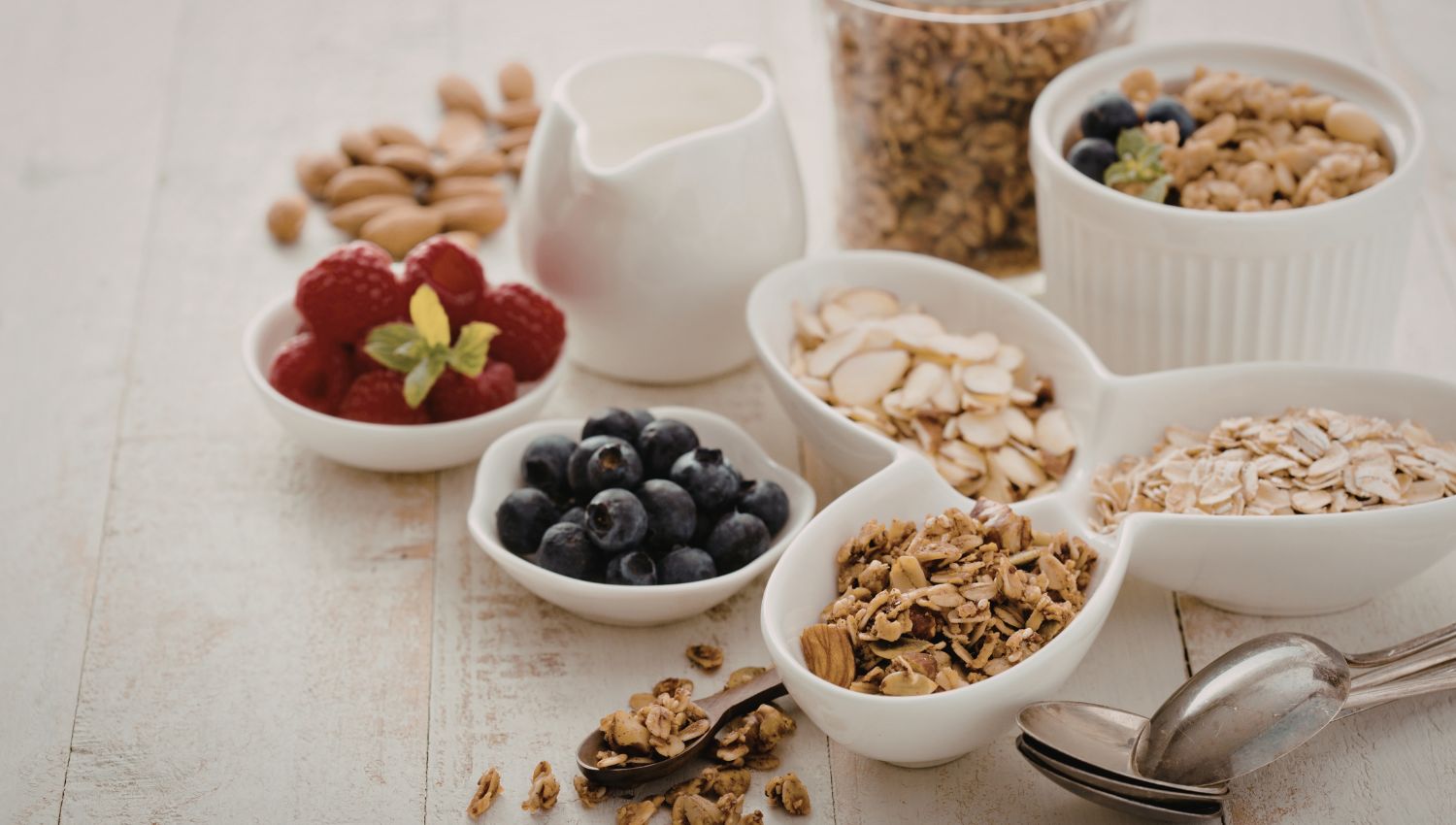
Everyday Indian foods can support reproductive health, and you do not need anything exotic. Leafy greens supply folate and iron, cruciferous vegetables offer choline, nuts and seeds provide omega-3 fats, zinc and vitamin E, whole grains and millets steady blood sugar, pulses add plant protein, and berries and citrus contribute vitamin C and antioxidants.
Key Takeaways
- Nourishing your body with a nutrient-rich diet is one way to gently support your overall reproductive health
- Foods that increase fertility in women are rich in antioxidants, folate, iron and choline, and can help provide important nutrients your body needs during the pre-conception phase
- Diet can support your body, but it cannot replace medical care
- Pre-pregnancy fertility supplements for women may help fill the nutritional gaps when recommended by an OB/GYN
Introduction
Trying to conceive can be an emotional and sometimes an overwhelming journey. Fertility in women is influenced by a lot of things, including age, genetics, existing medical conditions, and stress and not all of them are in your control.
From Dame Health: Pre-Pregnancy Support — Quatrefolic® active folate, gentle iron and choline for the months before conception.
Yet, the right nutrition is one piece of the puzzle that can help support your overall reproductive health while you're planning to grow your family. Eating a nutrient-rich diet containing fertility-boosting foods may help create supportive conditions for ovulation and healthy hormone levels.
Foods That Support Reproductive Health in Women
The good news is that you don't need exotic or fancy ingredients or complicated recipes. Many of these foods that increase fertility in women are already a part of everyday meals.
|
Food Group |
Vegan Food Source |
Reproductive Health Benefits |
|---|---|---|
|
Leafy Green Vegetables |
Spinach, methi, moringa leaves, mustard greens (sarson), amaranth and other leafy green vegetables |
Rich in folate, iron, and antioxidants. Folate supports egg development and healthy ovulation. Iron helps maintain regular cycles |
|
Cruciferous Vegetables |
Broccoli and cauliflower |
Good source of Choline for egg quality and hormonal balance |
|
Nuts & Seeds |
Almonds, walnuts, flax, pumpkin, chia seeds |
Packed with Omega-3 fatty acids, zinc, selenium and Vitamin E. Reduces inflammation, protects eggs and supports the uterine lining |
|
Whole Grains & Millets |
Brown rice, oats, ragi, bajra, jowar, barley, foxtail millets |
Stabilizes blood sugar, contains vitamin B and fiber. Helps with regular ovulation and reduces inflammation |
|
Legumes & Pulses |
Lentils (masoor, moong, toor dal), chickpeas, kidney beans, black beans |
Rich in plant-based protein, iron and folate. Supports hormone production and maintains healthy cycles |
|
Berries & Citrus |
Berries, lemons, oranges, sweetlime, grapefruits, amla |
High in Vitamin C and antioxidants, it protects eggs from oxidative stress |
When to Consider Pre-Pregnancy Supplements
If you're planning a pregnancy, timing matters more than anything else. Preconception supplements are not just for pregnancy, but they're meant to prepare your body before conception actually happens.
12 weeks before trying to conceive
Most OB-GYNs and global health organisations recommend starting pre-pregnancy supplements at least three months before trying to conceive, or even six months in advance if you're planning ahead.
Why 12 weeks?
- Nutrient levels take time to build up in the body
- Early fetal development happens in the first few weeks, often before you even know you’re pregnant
- Critical organs like the brain and spinal cord form very early in the pregnancy
Folic acid needs time to work
Folic acid is responsible for protecting a baby against neural tube defects like spina bifida. Because neural tube development happens within the first 28 days of pregnancy, optimal folate levels must already be present before conception.
Supports egg health and promotes hormonal balance
Certain nutrients play a supportive role in our body’s reproductive processes. Antioxidants help protect the egg from oxidative stress. Nutrients like folate, iron and vitamin D are important for endometrial reception and implantation of the embryo in the uterine wall. Therefore, building adequate levels of these nutrients well before trying to conceive is important.
Nutrient deficiency and existing medical conditions
Some women may have nutrient deficiencies due to existing medical conditions. They may be low iron levels, vitamin D deficiency or a medical condition like PCOS or thyroid disorder, based on your medical history and lab tests.
Products like Pre-pregnancy Support, a pre-pregnancy multivitamin by Dame Health for women, provide essential vitamins and minerals, including active folate (Quatrefolic®), iron, zinc and choline, to support preconception nutrition and early reproductive health.

Dame Health’s Bio-CoQ10 is also a powerful antioxidant supplement that is suitable for both men and women. It contains co-enzyme Q10, a key antioxidant for the overall health of egg and sperm cells.
Always remember, they are called supplements because they’re meant to add support, and not replace a healthy diet or medical care.
Importance of Diet in Fertility for Women

Food influences insulin levels, inflammations and hormone production and even the health of the uterine lining. A thoughtful fertility diet plan for women can help:
- Support regular ovulation
- Maintain balanced reproductive hormones
- Improve egg quality
- Maintain a healthy weight, which is also closely linked to fertility
While diet is only a part of the picture, it can still be a meaningful area that often gets overlooked.
Key Nutrients Required in a Fertility Diet Plan for Women
A balanced fertility diet for women must include:
- Folate - Supports egg development and early pregnancy
- Iron - Helps prevent anaemia and supports ovulation
- Omega-3 fatty acids - Reduce inflammation and support hormone balance
- Protein - Supports hormone production and stabilizes blood sugar
- Vitamin D - Plays a role in ovarian function
- Zinc - Important for egg maturation and ovulation
With a little planning, these nutrients can be added easily to your everyday diet.
Foods to avoid while trying to get pregnant
Some foods can make it harder for the body to maintain hormone balance
- Highly processed foods: Packaged snacks and fast foods can increase inflammation
- Sugary drinks and sweets: Cause blood sugar spikes that may disrupt hormones
- Excess caffeine: High intake may negatively affect fertility
- Trans fat: Found in some fried and baked foods, can be linked to ovulation issues
Limiting these foods is just as important as choosing the best foods that increase fertility in women to improve the chances of pregnancy. Your body becomes more efficient at using nutrients when processed foods, sugars, trans fats and caffeine are limited.
That’s why many women are levelling up with foods and fertility tablets like a pre-pregnancy multivitamin or an antioxidant supplement that is suitable for both men and women.
Conclusion
Trying to conceive can come with many questions, and it’s completely natural to look for ways to support your body during this time. Remember that you don’t have to navigate this journey alone.
As you focus on nourishing your body, trusted brands like Dame Health can be your ally. Check out our range of fertility supplements and preconception plans for men and women.
Important: A healthy diet can support overall reproductive health, but fertility is complex and different for every woman. If you have questions about your fertility or menstrual health, please consult a qualified healthcare professional.
Shop related from Dame Health
Frequently Asked Questions
Can diet alone improve fertility?
Diet can support your overall health and provide nutrients your body needs during the preconception phase, but it cannot fix or replace medical care. Fertility depends on many factors, so consider nutrition as a supportive factor.
Why is diet important for fertility in women?
Diet affects hormones, ovulation, inflammation, and egg health. Fertility-boosting foods provide the nutrients for regular cycles and healthy eggs.
Alongside food, some women also use targeted support like pre-pregnancy vitamins to fill the nutrient gaps, especially for folate, iron and Vitamin D.
How does a fertility diet plan help in conception?
It supports balanced hormones, stable blood sugar, and proper ovulation, all of which improve the chances of conception. Meals that include protein, fiber, and healthy fats help the body ovulate more consistently and support uterine health.
What are the best foods that increase fertility in women?
If you’re looking for the best foods to increase the chances of pregnancy, focus on:
- Leafy greens for folate and iron
- Legumes and beans for plant protein and iron
- Nuts and seeds for omega-3 fats, Zinc, and Vitamin E
- Whole grains and millets for stable blood sugar
- Tofu and tempeh for protein and other key micronutrients
- Berries and citrus fruits for antioxidants and Vitamin C
These are all fertility-boosting foods for ovulation and conception and form the base of most fertility-friendly meal plans.
Will I get pregnant if I eat all these foods?
These foods are good for overall reproductive health, but no diet can guarantee pregnancy. Fertility depends on many factors, such as genetics or any existing medical condition, so getting proper medical care while eating a nutrient-rich diet is the key.
Can food improve egg quality in women?
Nutrition plays a supportive role in egg health. However, egg quality is influenced by many factors, so diet is just one part of the bigger picture.
How long should women follow a fertility diet to see results?
Diet tips for women trying to conceive work best when followed consistently for at least 3 months. This gives your body time to respond to better nutrition and improved hormone balance.
What foods should be avoided when trying to improve fertility?
When thinking about foods and supplements for fertility, it is just as important to know what to limit. Too many processed foods, sugary treats, fried foods, bakery products, and too much caffeine can throw hormones off balance.
Smoking and regular alcohol intake can also negatively impact egg quality and overall reproductive health. Focusing more on wholesome, nutrient-rich meals gives your body a better chance to respond to the positive changes you are making.
Who should not follow generic fertility diet advice?
Women with medical conditions like PCOS/PCOD, thyroid disorders, diabetes, endometriosis, or food allergies may need a more personalized nutrition plan. If you have irregular periods, have been trying to conceive for a while without success, or are undergoing fertility treatment, it's best to consult your doctor.


